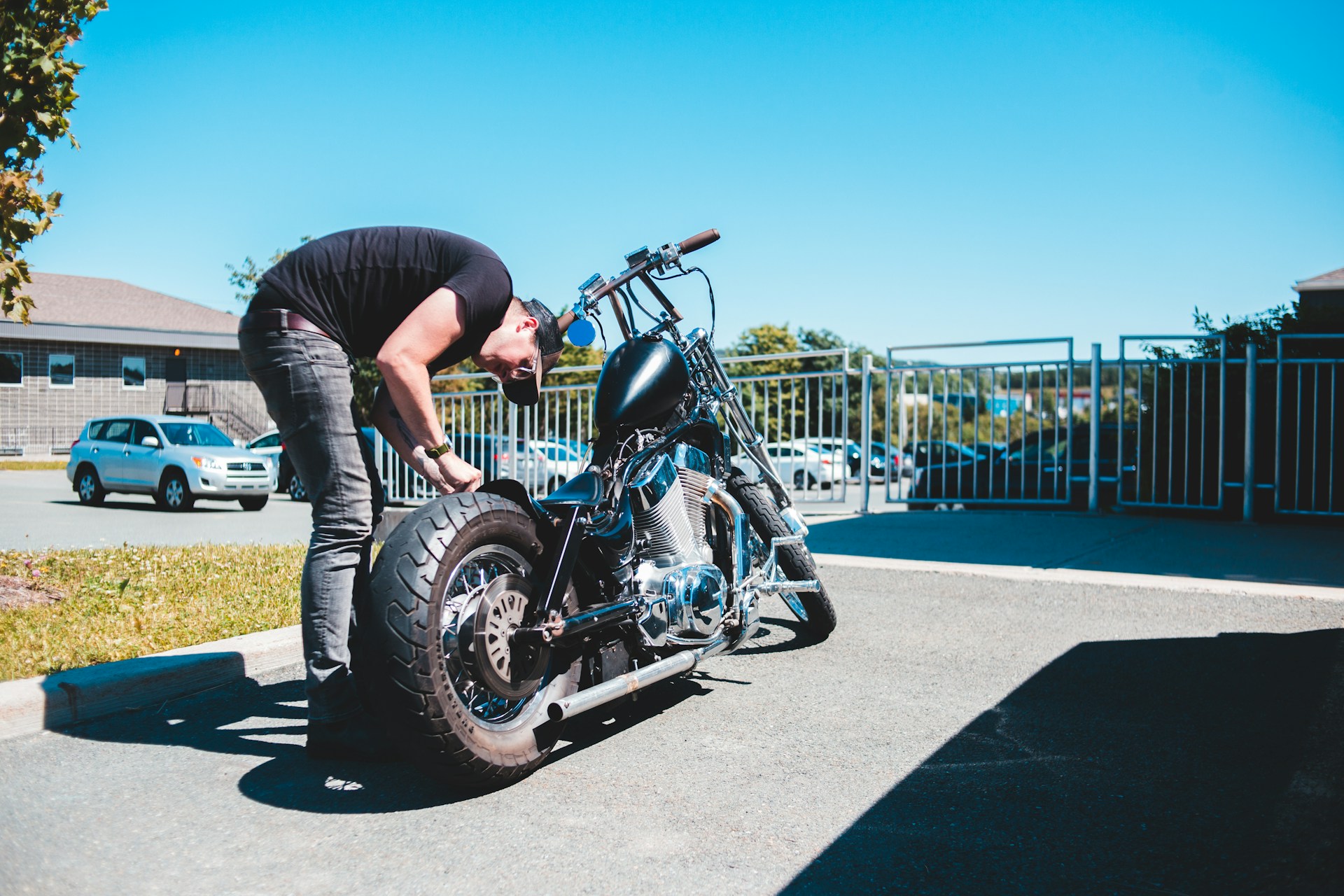
Keep your motorcycle in top condition during the winter motorcycle closed season with these nine simple DIY maintenance projects. Save money, improve reliability, and get your bike ready for the first ride of spring.
When the riding season comes to an end, many motorcycles spend several weeks or even months parked in the garage. However, the winter motorcycle closed season doesn’t have to mean leaving your bike untouched until warmer weather arrives.
In fact, the colder months provide an excellent opportunity to give your motorcycle some much-needed attention. Instead of waiting until spring to discover mechanical problems, you can use this downtime to carry out essential maintenance, inspect important components, and take care of smaller jobs that often get overlooked during the busy riding season.
Working on your motorcycle at home can also save you money on workshop labor while giving you a better understanding of how your machine works. A little preparation now can make a significant difference when it’s finally time to get back on the road.
You don’t need a professional workshop to get started. A selection of basic tools, your motorcycle’s service manual, and a clean, well-lit workspace will be enough for many of the tasks below.
Here are ten practical motorcycle maintenance projects worth adding to your winter checklist.
Prepare Your Workspace and Gather Your Tools
Before getting your hands dirty, take some time to organize your garage or workshop. Having a suitable working environment makes motorcycle maintenance easier, safer, and more enjoyable.
Choose a clean, level area with plenty of lighting and enough room to move around your motorcycle. Keep your tools organized and make sure you have everything required before starting each job.
A basic motorcycle maintenance toolkit should include:
- Metric socket and wrench sets.
- Screwdrivers in different sizes.
- Pliers and adjustable wrenches.
- A torque wrench.
- Tire pressure gauge.
- Oil drain pan.
- Motorcycle chain cleaning and lubrication products.
- Clean microfiber cloths and shop towels.
If you plan to perform maintenance regularly, consider gradually expanding your tool collection. A rear paddock stand, battery charger, and other motorcycle-specific equipment can make future jobs considerably easier.
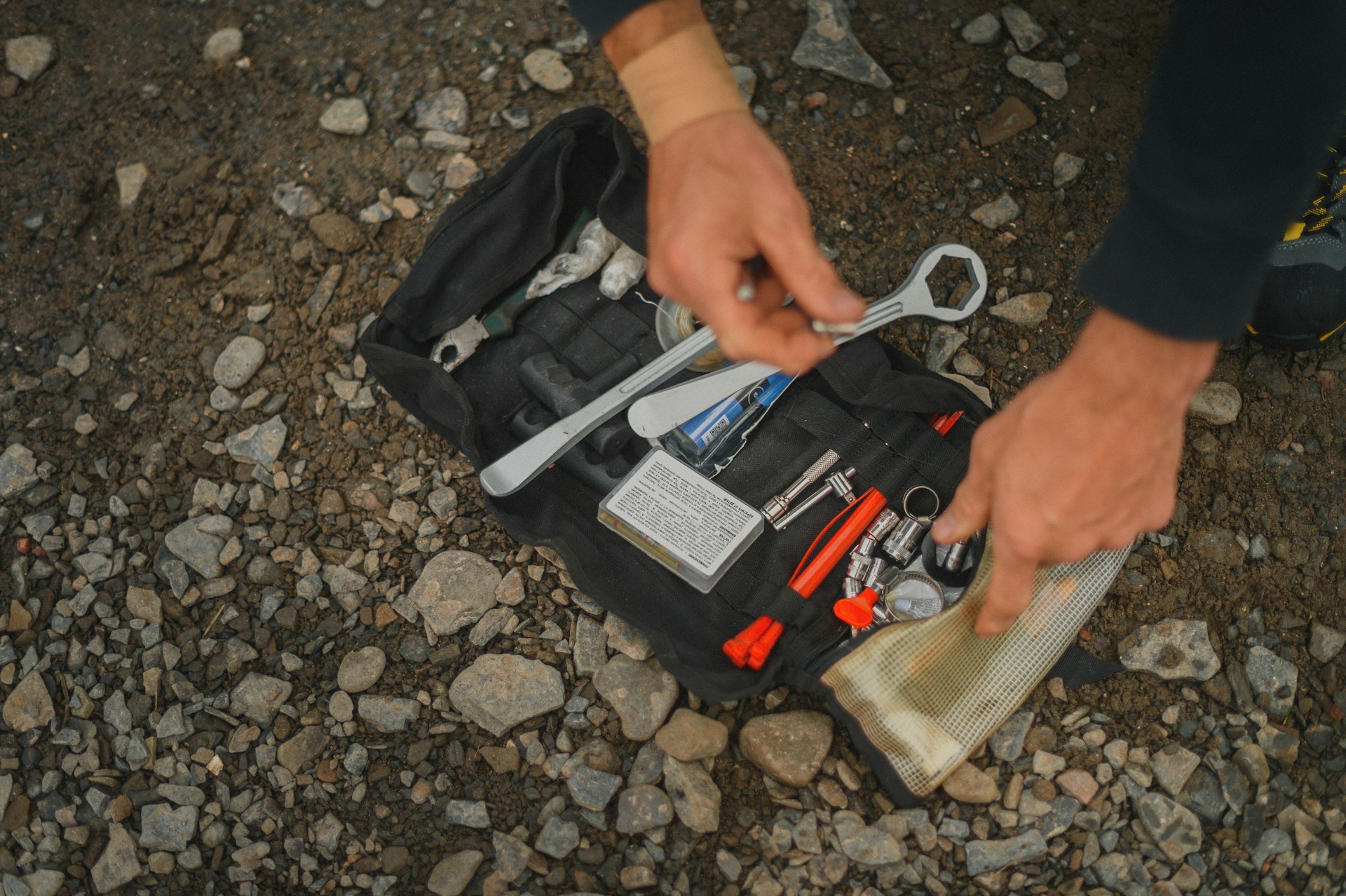
Always consult your service manual before working on mechanical components, and use the recommended tools and torque specifications.
Inspect Fluid Levels and Check the Fork Seals
Fluids play an essential role in motorcycle performance, reliability, and safety. The winter motorcycle closed season is an ideal opportunity to inspect their condition and make sure everything is within the manufacturer’s recommended limits.
Start by checking the engine oil level according to the procedure in your owner’s manual. Depending on the motorcycle, this may involve using a sight glass or dipstick.
Next, inspect the brake fluid reservoirs. The fluid should sit between the minimum and maximum markings. If the level is low, check the brake pads for excessive wear and inspect the system for leaks before topping it up. Dark or contaminated-looking brake fluid may indicate that replacement is due.
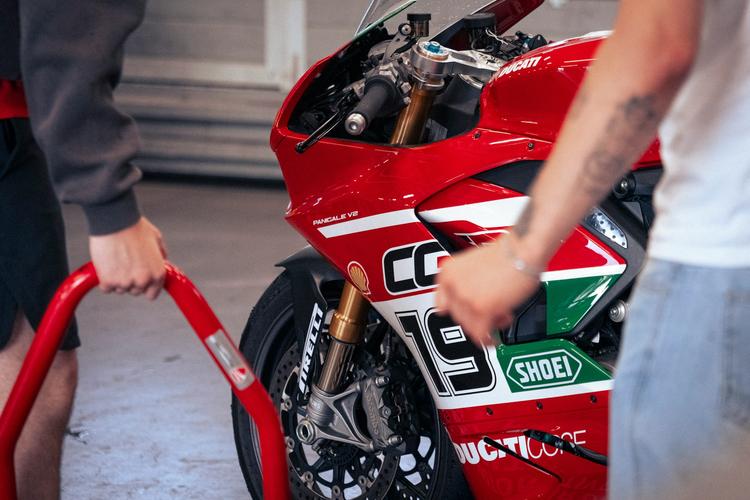
Don’t forget the front suspension. Fork seals can deteriorate over time, particularly when a motorcycle has been sitting unused for extended periods. Carefully wipe the fork tubes with a clean cloth and look for oily residue around the seals.
Finally, inspect the cooling system, where applicable, along with hoses, connections, and other visible areas for signs of fluid leakage.
Use only fluids that meet your motorcycle manufacturer’s specifications.
Test and Maintain Your Motorcycle Battery
A neglected battery is one of the most common reasons motorcycles refuse to start after winter storage. Even when a motorcycle isn’t being ridden, its battery gradually loses charge. Alarm systems, electronic accessories, and natural self-discharge can make the problem worse.
Start by checking the battery terminals for corrosion, dirt, or loose connections. Clean them if necessary, following the manufacturer’s instructions, and inspect the battery casing for swelling, cracks, or other damage.
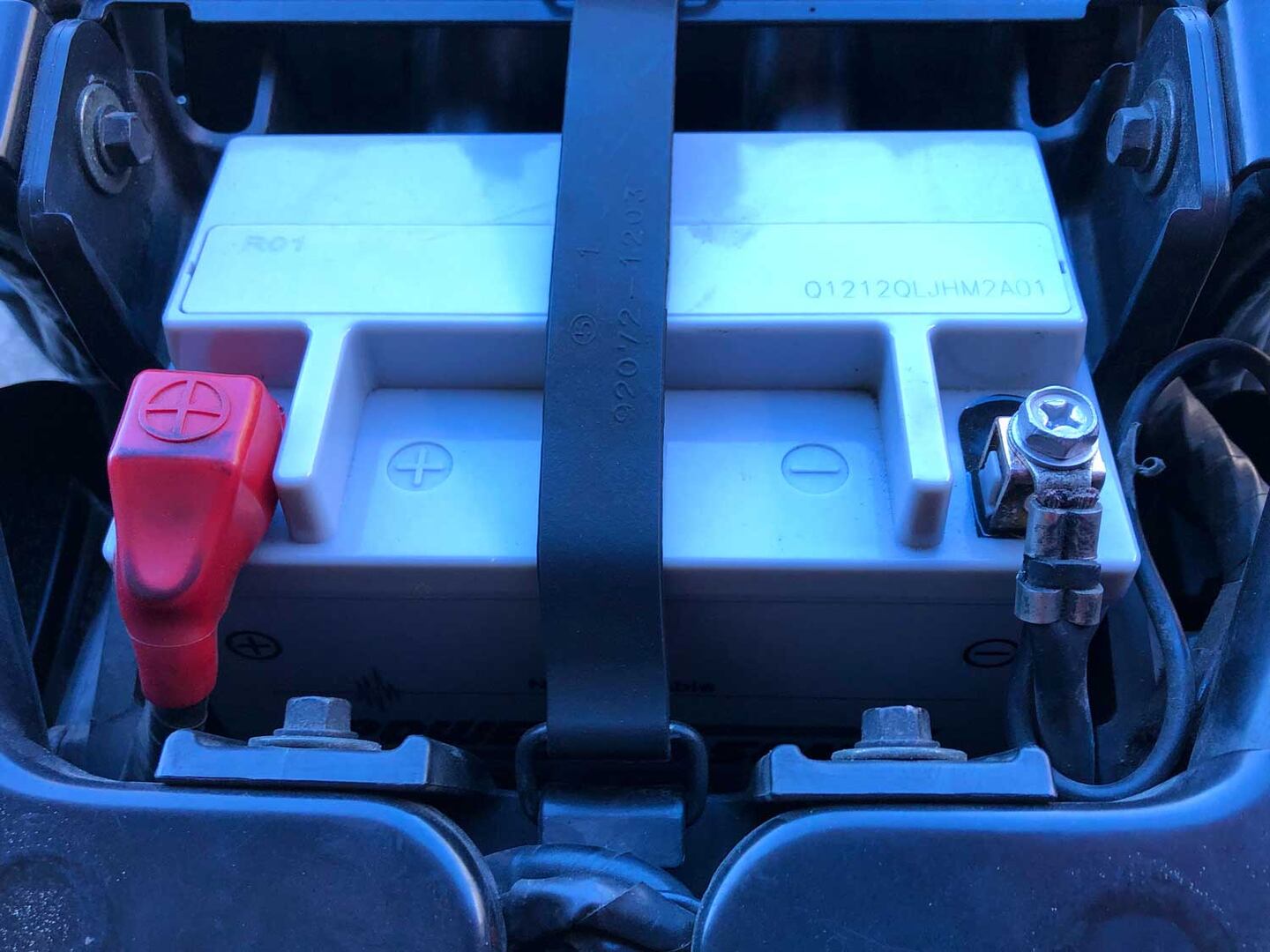
Use a suitable battery tester or multimeter to check its condition and voltage. If the battery needs charging, connect a motorcycle-compatible smart charger or battery maintainer.
For motorcycles that will remain unused throughout the winter, a battery maintainer can help preserve charge without repeatedly overcharging the battery.
If your motorcycle has several electrical accessories, such as heated grips, auxiliary lights, or USB charging ports, consider checking the charging system as well. Taking care of the battery now can save you from an unpleasant surprise when the riding season returns.
Replace the Engine Oil and Oil Filter
An oil and filter change is one of the most important maintenance jobs you can perform at home. If your motorcycle is approaching its scheduled service interval, the winter motorcycle closed season is a convenient time to replace the engine oil and filter. This is particularly useful if you’re preparing the bike for several months of storage.
You’ll generally need:
- Fresh engine oil meeting the manufacturer’s specifications.
- A replacement oil filter.
- A suitable oil drain pan.
- A socket or wrench for the drain plug.
- An oil filter removal tool, if required.
- A new drain plug washer, where specified.
Warm the engine slightly if the manufacturer’s procedure recommends it, then switch it off and follow the correct draining procedure. Remove the drain plug carefully and allow the old oil to drain completely. Replace the filter, install the drain plug using the specified torque, and refill the engine with the recommended quantity of fresh oil.
Afterward, run the engine briefly if instructed by the service manual, check the oil level again, and inspect for leaks. Always dispose of used oil and filters responsibly at an appropriate recycling facility.
Check the Air Intake and Fuel System
Your motorcycle needs a clean and properly functioning air intake and fuel system to deliver reliable performance. Begin by inspecting the air filter. A dirty or clogged filter can restrict airflow, negatively affecting engine performance and fuel efficiency.
Depending on the type of filter fitted to your motorcycle, you may be able to clean it or simply replace it with a new one. Follow the manufacturer’s recommendations, as some filters require specific cleaning products and procedures. While the airbox is accessible, inspect the intake hoses, rubber connections, gaskets, and seals. Look for cracks, loose clamps, or signs of deterioration that could allow unwanted air to enter the engine.
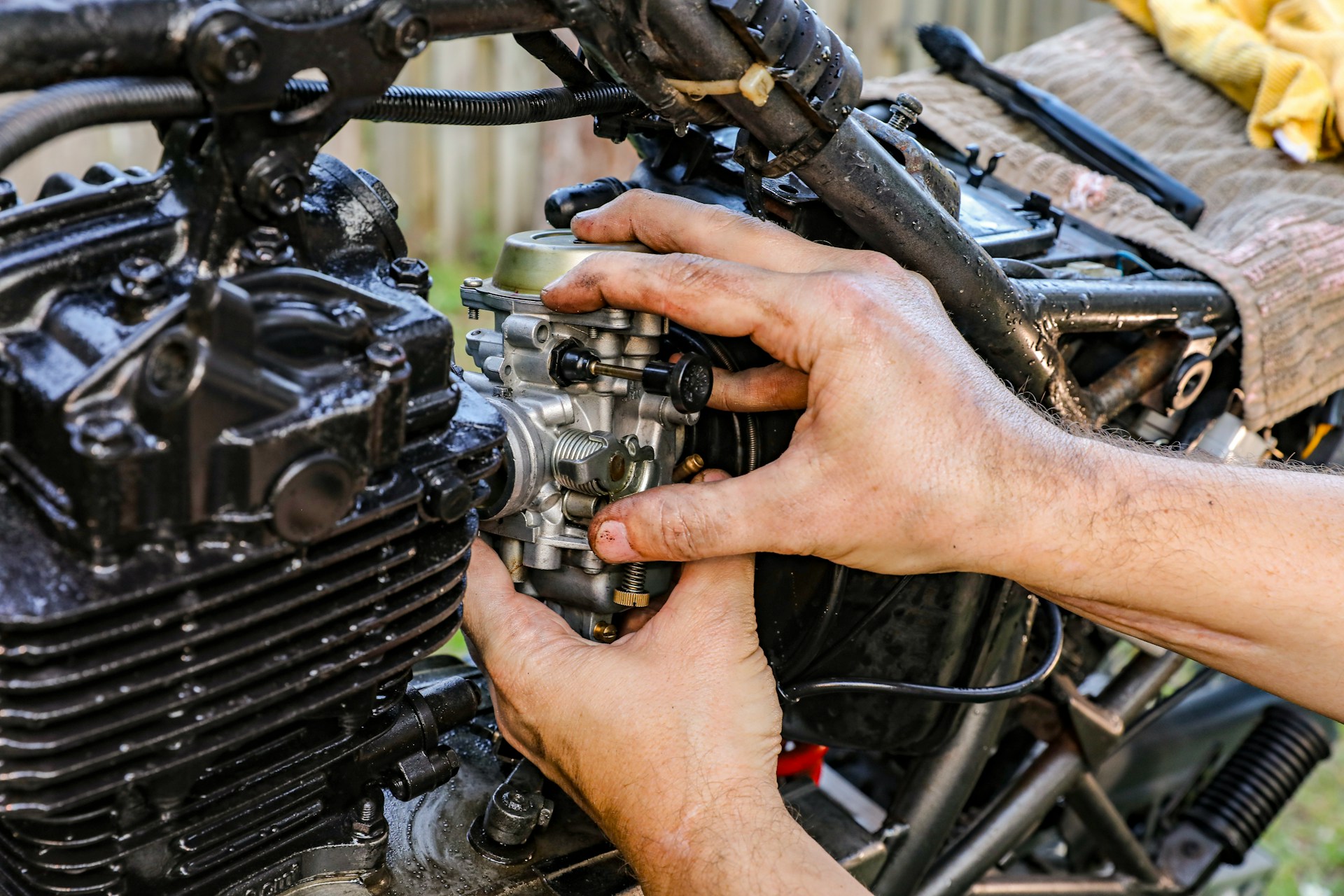
Older motorcycles equipped with carburetors may also benefit from fuel system maintenance. If fuel has been sitting in the system for an extended period, deposits can develop and interfere with proper operation. Inspect the carburetor and fuel system according to the service manual. Cleaning carburetor components and draining float bowls may be necessary in certain circumstances.
For fuel-injected motorcycles, check visible fuel lines and connections for leaks or damage. A clean air intake and properly maintained fuel system help ensure your motorcycle is ready for reliable operation when spring arrives.
Inspect and Maintain the Final Drive
The final drive transfers engine power to the rear wheel, making it an essential part of your motorcycle’s drivetrain. Depending on your model, your motorcycle may use a chain, belt, or shaft drive. Each system requires different maintenance, so make sure you follow the correct procedures.
Chain drive
Motorcycle chains require regular cleaning, lubrication, and tension checks. During winter maintenance, remove accumulated dirt and old lubricant using a suitable chain cleaner.
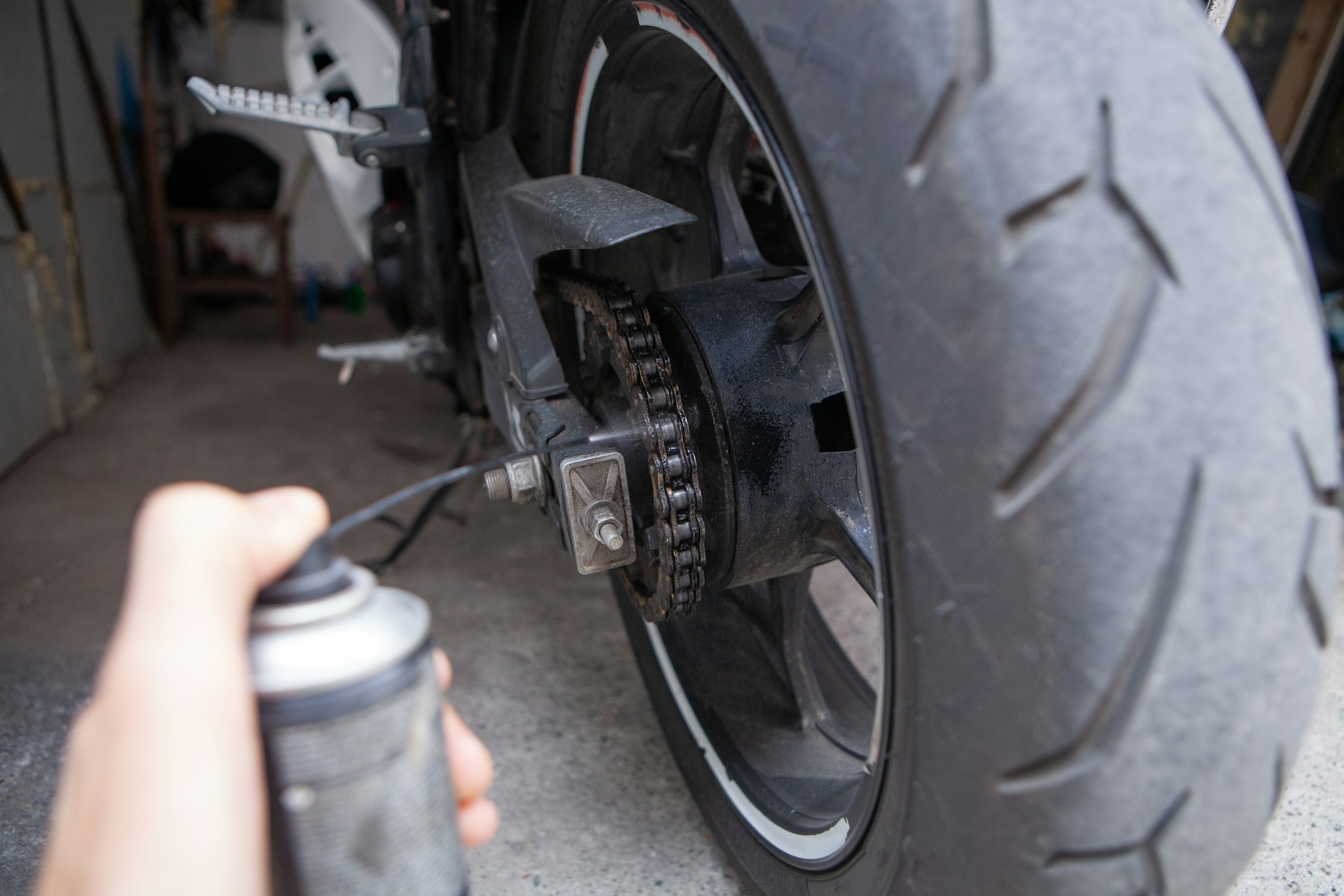
Inspect the chain for rust, stiff links, excessive wear, and uneven movement. Check the sprocket teeth for hooking, damage, or unusual wear. Measure chain slack according to the manufacturer’s specifications and adjust it if necessary.
Once everything is clean and dry, apply a quality motorcycle chain lubricant suitable for your chain type.
Belt drive
Belt-driven motorcycles generally require less frequent maintenance, but that doesn’t mean they should be ignored. Inspect the belt for cracks, frayed edges, missing teeth, or other visible damage. Check belt tension and alignment using the manufacturer’s recommended procedure.
If you notice significant damage, have the belt inspected and replaced before riding.
Shaft drive
Shaft-drive systems usually require less attention than chains, but they still need periodic inspections. Check the final drive housing for oil leaks and follow the recommended schedule for replacing the specified gear oil. Also inspect visible seals and surrounding components for damage.
Regardless of which system your motorcycle uses, proper final drive maintenance helps prevent premature wear and costly repairs.
Give Your Braking System Some Attention
Your brakes are among the most important safety components on your motorcycle, so they deserve a thorough inspection during the winter maintenance period. Since you’ve already checked the brake fluid, take the opportunity to inspect the brake pads, discs, and calipers.
A flashlight will help you examine the remaining friction material on the brake pads. Most pads have wear indicators that show when replacement is necessary. Check both front and rear brakes, paying attention to uneven pad wear, damaged components, and signs of fluid leakage.
Inspect the brake discs for deep grooves, cracks, excessive wear, or other visible damage. Their thickness should be measured against the manufacturer’s minimum specifications. You should also check that the brake levers and pedals operate smoothly and that the calipers show no obvious signs of damage.
Brake pad replacement may be a straightforward home maintenance job for experienced owners, but braking systems are safety-critical. If you’re unfamiliar with the procedure, have a qualified motorcycle technician carry out the work. Never compromise on brake condition or performance.
Inspect Your Tires and Check Tire Pressure
Your motorcycle’s tires are the only components connecting it to the road, making their condition extremely important. Before the next riding season, inspect both tires carefully for signs of wear, damage, and aging.
Start by checking the tread depth. Most motorcycle tires have built-in tread wear indicators that show when the tire has reached its legal or manufacturer-specified wear limit. Look for cuts, punctures, cracks, bulges, and unusual wear patterns. Pay particular attention to the sidewalls, as visible damage in these areas can indicate a serious problem.
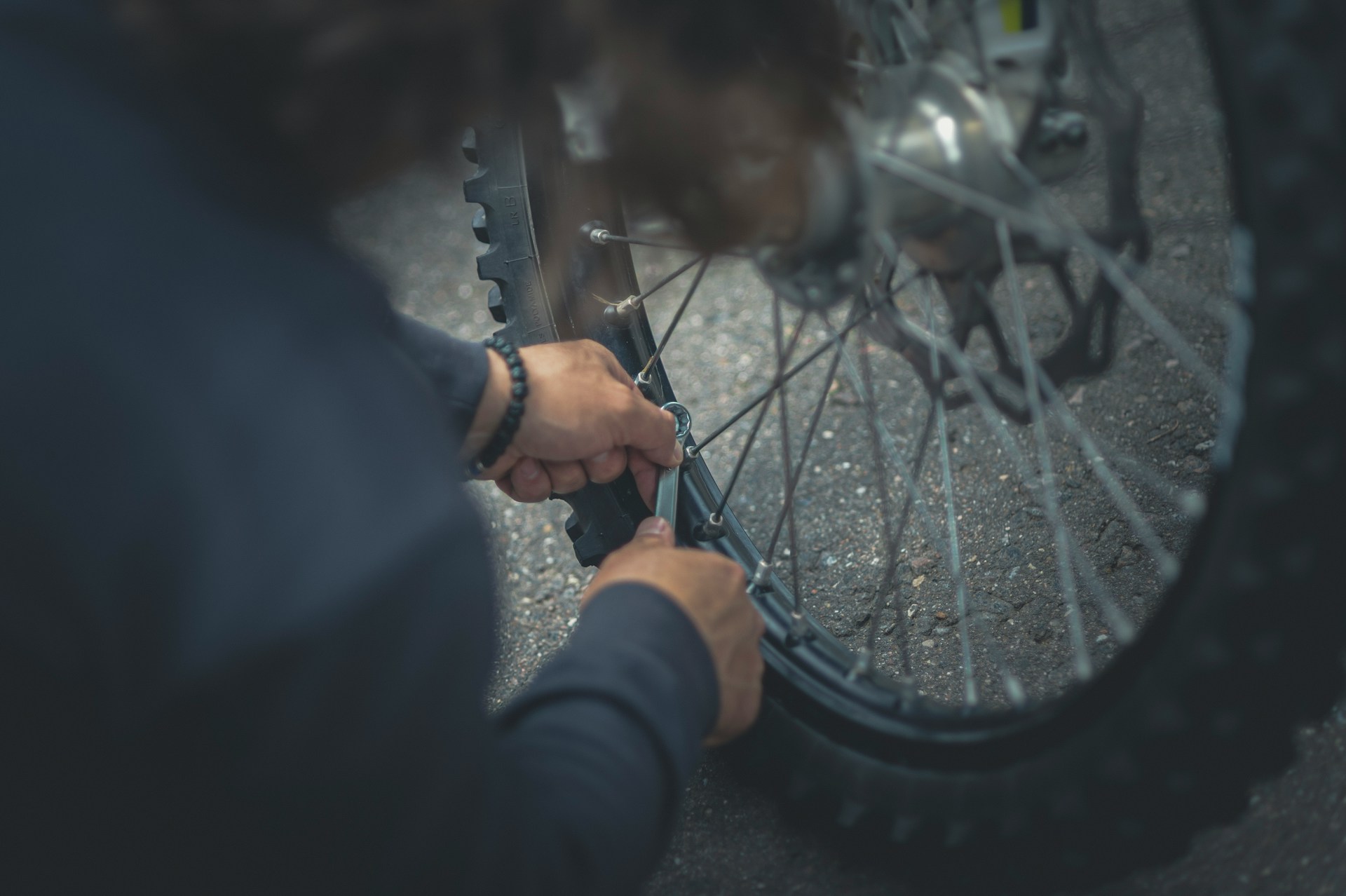
Check the tire manufacturing date as well. Rubber deteriorates with age, even when a motorcycle is rarely ridden. Follow the tire manufacturer’s recommendations and consider professional inspection if your tires are several years old.
Next, measure the tire pressure using a reliable pressure gauge. Always use the pressure specifications recommended by your motorcycle manufacturer rather than relying on the maximum pressure printed on the tire itself.
Check tire pressure when the tires are cold, since riding and temperature changes affect the readings. If your motorcycle will remain parked for an extended period, consider moving it occasionally or using suitable stands to reduce prolonged pressure on the same sections of the tires. Follow the manufacturer’s storage recommendations.
Good tire maintenance improves handling, braking performance, and overall riding safety.
Adjust Your Riding Position and Controls
The winter motorcycle closed season is also a great opportunity to improve your motorcycle’s ergonomics. Many riders use their motorcycles exactly as they came from the dealership without considering whether the original setup is actually comfortable for them.
Small adjustments to the handlebars, mirrors, levers, and foot controls can make a noticeable difference to your riding experience. Check that the clutch and brake levers are positioned comfortably and that you can operate them without straining your wrists.
Inspect the throttle to make sure it rotates smoothly and returns freely when released. Check that the handlebars move properly from lock to lock without cables or hoses becoming stretched or trapped. You can also adjust the mirrors to provide a clear view of the road behind you.
Always follow the manufacturer’s recommendations when adjusting controls and tightening mounting hardware. Incorrect adjustments can affect motorcycle handling or interfere with safe operation. A few minutes spent improving your riding position can make longer journeys considerably more comfortable.
Give Your Motorcycle a Thorough Clean
Once you’ve completed the mechanical inspections, it’s time to give your motorcycle a proper clean. Washing your bike isn’t just about making it look good. It also provides an opportunity to inspect areas that are normally covered in dirt, road grime, and accumulated grease.
Clean the bodywork, wheels, suspension components, and other accessible areas using motorcycle-safe cleaning products. Avoid directing high-pressure water at electrical connections, wheel bearings, seals, and other sensitive components.
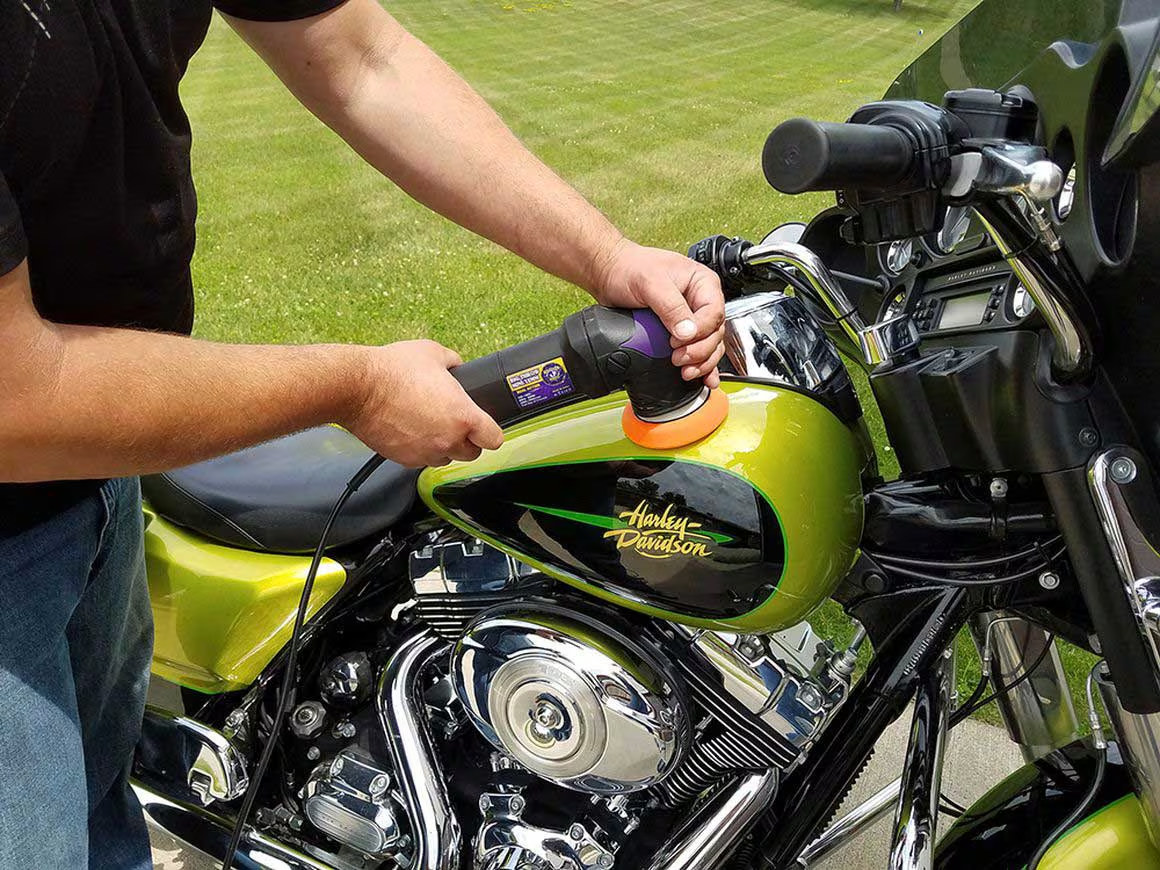
As you clean, pay attention to loose bolts, damaged cables, worn rubber components, and signs of corrosion. These small details are easier to spot when the motorcycle is clean.
After washing, dry the bike thoroughly and apply suitable protection to painted and metal surfaces where appropriate. If your motorcycle has a chain drive, remember to lubricate the chain after cleaning and drying it.
Finally, tidy up your workspace, put your tools away, and dispose of used cleaning materials and maintenance waste responsibly.
Get Your Motorcycle Ready for the Next Riding Season
The winter motorcycle closed season doesn’t have to be a period of inactivity for motorcycle enthusiasts. It’s actually one of the best opportunities to give your machine the attention it deserves.
By checking the battery, replacing fluids, inspecting the brakes and tires, maintaining the drivetrain, and taking care of smaller details, you can help prevent unexpected problems and extend the life of important components.
You don’t need to complete every project in one afternoon. Spread the work across several weekends, take your time, and always refer to your motorcycle’s service manual for model-specific instructions. A little effort during the colder months can make a big difference when the roads become inviting again.
Use the winter downtime wisely, take care of your motorcycle, and make sure it’s ready for the first ride of the new season!