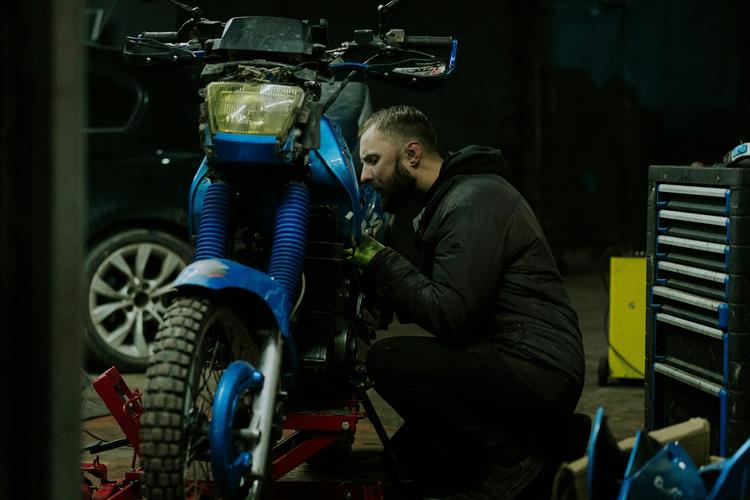
Some of these tips for motorcycle electrical system repair may seem a little obvious, but they are nevertheless useful motorcycle advice for anyone who has decided to troubleshoot and repair motorcycle wiring themselves.
Sooner or later, you will have to find a failed relay, a broken wire, or a short circuit. Below are some tips that can only really be learned through experience:
If your motorcycle uses a 12-volt battery, that does not mean there is no DANGEROUSLY HIGH VOLTAGE present. The spark at the spark plug is many thousands of volts! Keep away from it. (Strange as it may sound, lethal voltage can kill!)
Most “faults” can be fixed simply by replacing a fuse, especially on older motorcycles that use an outdated type of fuse. Even if a faulty fuse looks perfectly fine externally, it may have failed due to age.
Crimped connections should be taboo in the motorcycle world. Vibration and exposure to the elements will eventually make such connections unreliable. Solder all connections you have made, and use heat-shrink tubing for insulation.
Rigid wires should be taboo in the motorcycle world. Vibration will cause rigid wires to break. Always use flexible wire. (You should always have a length of flexible wire in your toolkit.)
Many electrical circuits in modern motorcycles contain semiconductors (transistors). Semiconductor devices can fail if you use a test lamp as a tester. Use a digital multimeter with high input resistance (10 MΩ or higher) to measure voltage in semiconductor circuits.
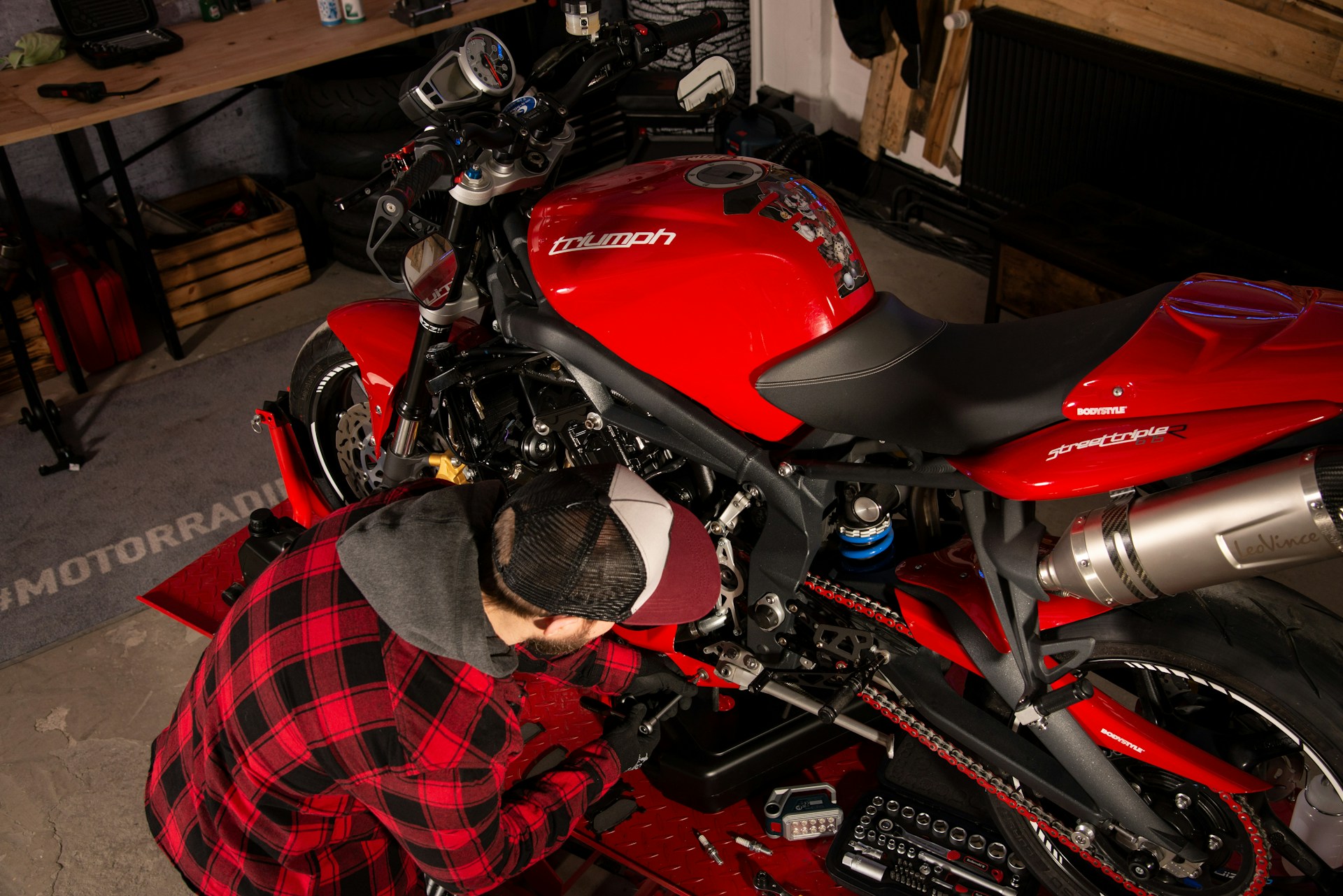
All connectors should be coated with dielectric grease! Grease does not conduct electricity. It is used to keep the connection clean and protect it from corrosion. Connections in a motorcycle’s battery-charging circuit can easily melt and fail if they are not serviced regularly. The reason is the high current involved. In such a case, a small increase in resistance will result in significant heating of the contacts.
Even if you remove the main fuse, there is still a danger from voltage remaining in the motorcycle’s electrical system, for example, at the starter motor windings. This circuit may NOT be protected by a fuse because the current required to turn the starter motor is too high. Therefore, if you cause a short circuit in the windings, the starter motor may fail.
If you install new equipment on the motorcycle, use a separate fuse for it and connect it using a separate circuit. Do not connect it to the existing wiring.
When removing the battery, disconnect the ground (negative terminal) first. This will provide protection if the screwdriver slips while disconnecting the positive terminal and shorts the positive terminal against any metal part.
If you smell gasoline, DO NOT work on the electrical system!
Conclusion
Working on a motorcycle’s electrical system requires care, patience, and a basic understanding of electrical safety. Many problems can be diagnosed and repaired with simple tools, but small mistakes can lead to damaged components, electrical fires, or serious injury. Always inspect connections carefully, use the correct fuses and wiring, protect connections from moisture and corrosion, and disconnect the battery safely before carrying out repairs. Most importantly, never work on the electrical system if there is any risk of fuel vapors or a fuel leak. When in doubt, it is always safer to consult a qualified motorcycle technician.