Table of Contents
1. Why Minimalist Packing Changes Everything on a Bike
2. Minimalist Packing Guide for Motorcycle Camping Trips
2.1 Shelter: Light, Compact, and Fast to Set Up
2.2 Clothing: The Three-Layer Rule
2.3 Food and Cooking: Simplify the Setup
2.4 Tools and Safety: The Non-Negotiables
2.5 Hygiene: The Short and Honest List
3. Choosing the Right Motorcycle Luggage
4. How to Load the Bike for Safe, Stable Handling
5. Final Thoughts: Pack Once, Ride Better
There is a quiet truth every long-haul rider eventually learns: the best trips are not the ones with the most gear. They are the ones where every item in the bag earns its place. On a motorcycle camping trip, weight is not just inconvenient. It changes how the bike handles, how quickly it stops, and how tiring the day feels by sunset.
Viking Bags, the industry-leading motorcycle luggage maker with a global following among touring riders, has built its reputation on exactly this balance. With a wide range of Premium Motorcycle Saddle & Side Bags, tank bags, sissy bar bags, and hard-shell panniers designed for major brands like Harley-Davidson, Honda, BMW, Yamaha, and Indian, Viking makes storage that fits the bike and the mission without asking riders to carry more than they need.
Continue reading to get a full minimalist packing breakdown for motorcycle camping trips, covering shelter, clothing, food, tools, hygiene, and smart luggage choices that make every ride count.
Why Minimalist Packing Changes Everything on a Bike
A motorcycle is not a car. Storage is limited, and weight placement matters in a way that car drivers never have to consider. Too much gear, especially stacked high, raises the center of gravity and makes slow-speed handling harder. Cornering feels sluggish. The bike fights back.
Minimalist packing is not about going without comfort. It is about being deliberate. A good rule used by experienced touring riders: lay out everything planned for the trip, then cut 25 percent before packing a single item. Most riders discover that a large portion of what they pulled out was insurance gear they never actually used on past trips.
Every item should serve at least one clear, practical purpose. If it only does one thing and adds real bulk, it stays home.
Minimalist Packing Guide for Motorcycle Camping Trips
Shelter: Light, Compact, and Fast to Set Up
The tent is usually the largest item in any camping kit, and for a moto-camper, size and packability matter more than anything else. A two-person backpacking tent works well even for solo riders because the extra room lets you store wet gear inside on rainy nights.
Look for tents that weigh under two kilograms and compress down to the size of a large water bottle. Trekking pole tents and freestanding ultralight models are the best picks because they set up fast and pack down small.
Pair the tent with a sleeping bag rated a few degrees below the coldest expected night temperature. Down-fill bags compress far better than synthetic ones and are worth the higher price for riders who camp more than once or twice a year. A compact foam pad or inflatable sleeping mat rounds out the sleep kit. Skip the full-size pillow. A folded base layer or a small inflatable travel pillow handles that job without taking up space.
Clothing: The Three-Layer Rule
Clothing is the most common source of overpacking on motorcycle camping trips. The fix is a simple three-layer approach:
- Base layer (two sets): Merino wool or quick-dry synthetic underlayers. One to wear, one to wash. Merino is the better pick for its natural odor resistance and fast drying time, which cuts down on laundry stops on longer trips.
- Mid layer (one piece): A packable down jacket or a lightweight midlayer fleece that compresses into a small stuff sack. This adds real warmth for cold evenings at camp without adding bulk to the bag.
- Outer shell: A riding jacket with a waterproof liner covers this layer for most riders. A separate rain jacket is not needed if the riding jacket is properly sealed.
For riding pants, one pair of armored textile pants works both on and off the bike. Add one pair of casual pants for town stops. Three pairs of socks, two pairs of underwear, and a warm hat complete the wardrobe. Wash items at the campsite or at a coin laundry on longer routes.
Food and Cooking: Simplify the Setup
On weekend trips, pre-packed trail food is the easiest approach. Protein bars, nuts, instant oatmeal, and freeze-dried camp meals need no stove and take up almost no room in the bag.
For multi-day trips, a compact single-burner gas stove, a small titanium pot, and a spork complete a full cook setup. The whole system fits easily in the side pocket of a saddlebag. Titanium cookware costs more upfront but saves real weight over time. Avoid fresh food that spoils within a day. Shelf-stable, calorie-dense items keep the food kit lean.
Tools and Safety: The Non-Negotiables
Breaking down far from a town with no tools is one of the few situations that can cut a trip short fast. A focused, compact toolkit covers most scenarios:
- Tire repair kit: A plug kit with CO2 inflators or a small hand pump. Flat tires are the most common breakdown on touring rides, and this one item can save a whole trip from ending early.
- Basic hand tools: Hex keys in the most common sizes, a multi-bit screwdriver, zip ties in two sizes, and a small pack of spare fuses. These handle the vast majority of roadside fixes.
- Compact first-aid kit: Bandages, antiseptic wipes, blister pads, pain-relief tablets, and personal medication. Kits designed for hikers are ideal because they are already sized for backpack carry.
- Documents in a waterproof pouch: Riding license, registration, proof of insurance, and a written emergency contact list. Physical backup is worth having even when a phone is fully charged.
A small power bank keeps the phone alive for navigation and calls when campsite power isn’t available.
Hygiene: The Short and Honest List
A hygiene kit for motorcycle camping does not need much room:
- Travel-size toothbrush and toothpaste
- A bar of biodegradable soap that handles both body washing and dish cleaning
- A quick-dry microfiber towel that rolls up to the size of a fist
- Small bottles of sunscreen and insect repellent
- A compact roll of toilet paper in a sealed zip-lock bag
That covers it. Full-size products, electric grooming tools, and multi-step skincare routines stay home. Most campgrounds have basic wash stations. On remote nights, a quick clean is enough.
Choosing the Right Motorcycle Luggage
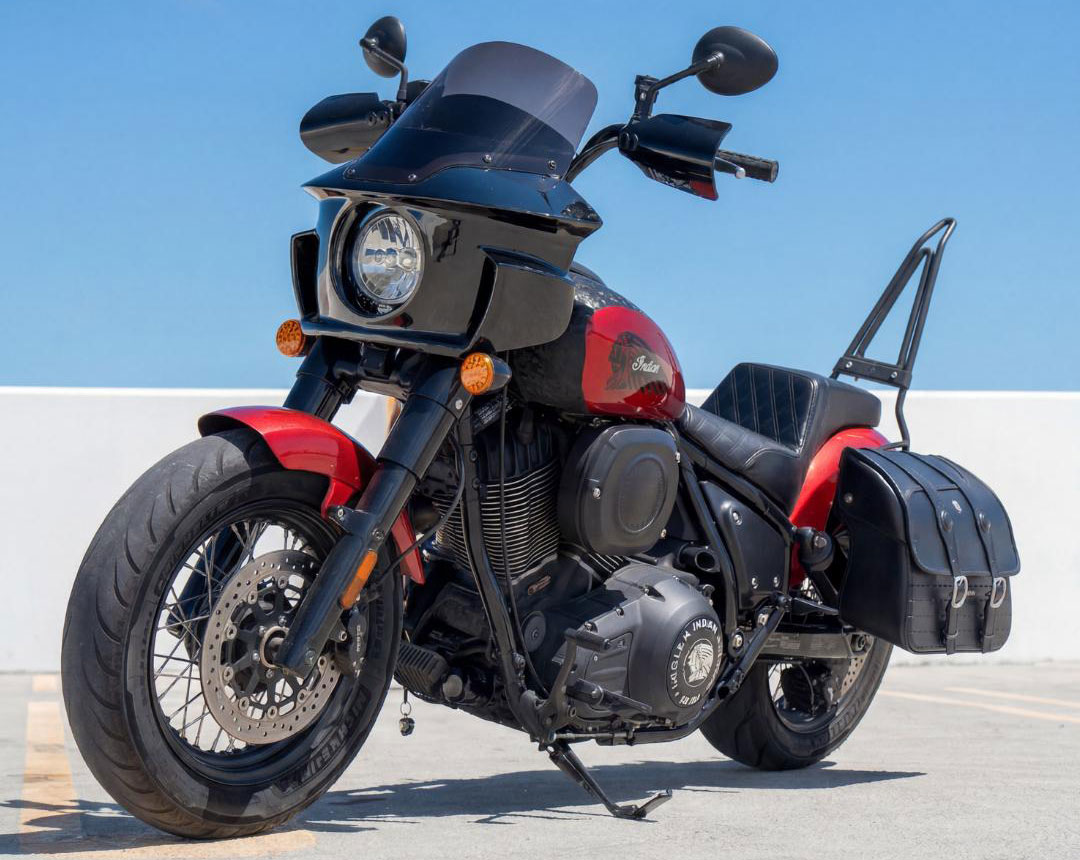
The best gear in the world is useless without the right place to carry it. This is where luggage choice becomes the backbone of the whole packing system.
Viking Bags, widely recognized as the best motorcycle saddlebags manufacturer among serious touring riders, designs bags with model-specific hardware that mounts cleanly and securely to the bike without any jury-rigged setups. No straps slipping at highway speed. No wobble after a long day on rough roads.
For a camping trip, the most effective setup combines saddlebags with a motorcycle sissy bar bag, such as the Viking Dagr 32L bag. The saddlebags carry tools, the cook kit, clothing, and documents. The sissy bar bag handles bulkier items like the sleeping bag and tent that need more vertical space. A Viking tank bag is a smart third piece for quick-access items like a phone, wallet, and snacks.
Viking hard-shell saddlebags offer lockable, weatherproof storage that keeps gear dry and secure overnight at camp. Leather-wrapped options from Viking deliver a classic look without sacrificing the practical functionality that moto-campers depend on.
How to Load the Bike for Safe, Stable Handling
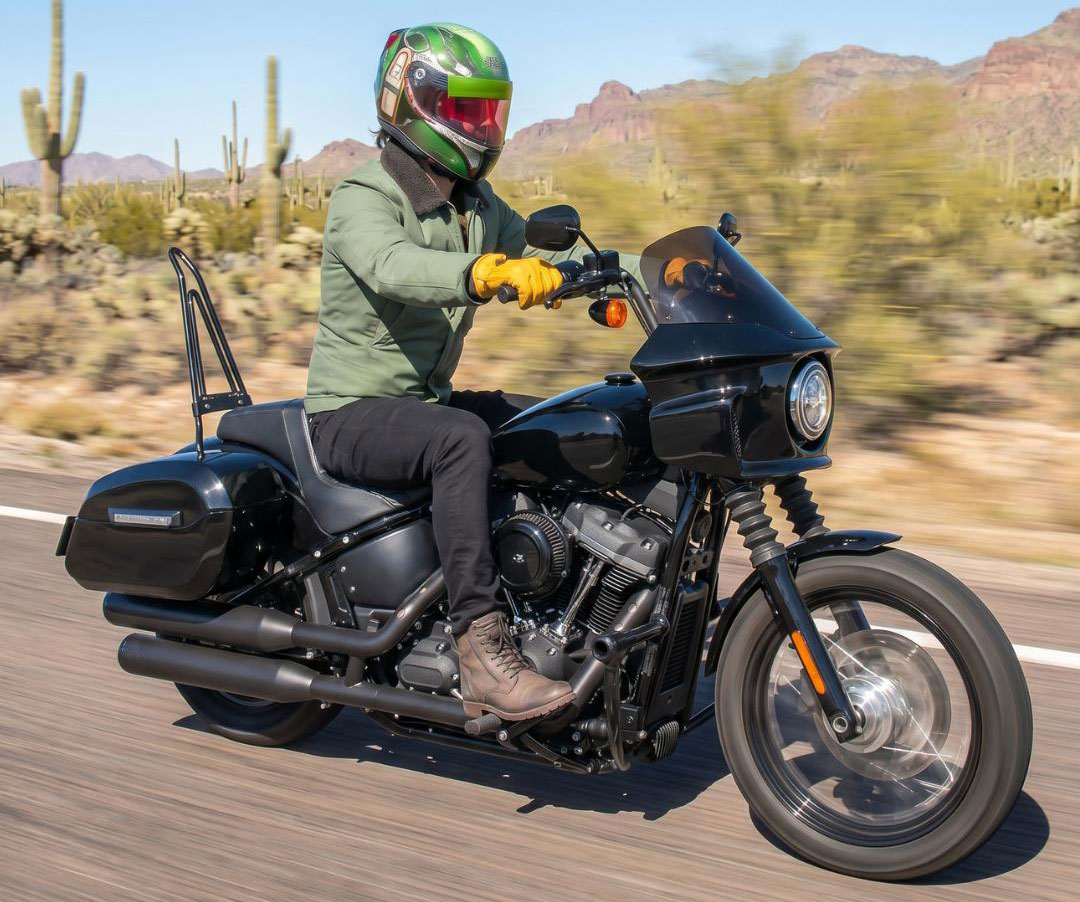
Weight placement is just as important as total weight. Follow these guidelines every time the bags get packed:
- Heavy items go low and central: Tools, water, and food should sit at the bottom of the saddlebags, as close to the bike’s centerline as possible. This keeps the center of gravity low and makes the bike predictable through corners and stops.
- Light items ride toward the top and rear: Sleeping bags, clothing, and the tent have less impact on handling when placed higher and further back.
- Balance left and right: An uneven load pulls the bike to one side and wears the rider down faster than a well-balanced setup. If in doubt, weigh both saddlebags and match them.
- Avoid stacking gear above seat height: Top-heavy loads make slow-speed moves harder and raise the risk of tip-overs at stops, especially on uneven ground at camp.
Before leaving, a slow lap around a parking lot reveals any shifting or instability before it becomes a problem on the open road.
Final Thoughts: Pack Once, Ride Better
The first motorcycle camping trip almost always results in carrying too much. That is part of the process. Each trip teaches something about what gets used and what just takes up room. Over time, the kit gets tighter, and the rides get better.
Viking Bags, the best motorcycle luggage and parts maker for riders who want reliable, well-fitting gear for the long haul, offers a full range of model-specific storage options and ready-to-install aftermarket parts that hold up through thousands of kilometers of real-world riding.
Pack with purpose. Trust the setup. Let the road do the rest.