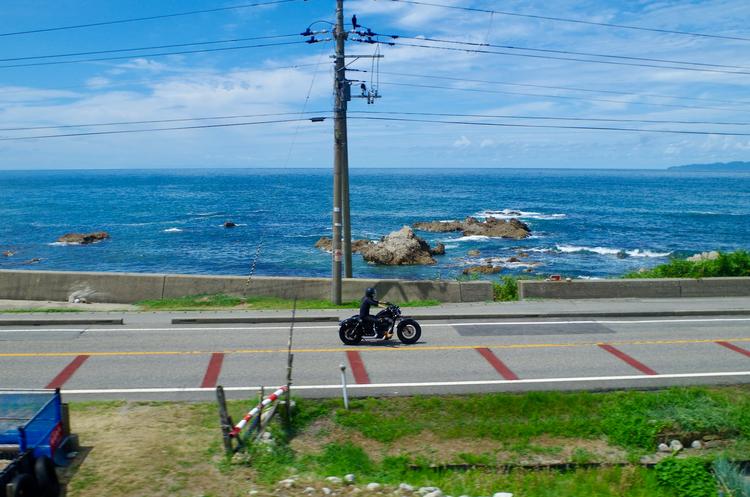
Summer has arrived with the real heat. The kind of heat that makes sitting over a scorching engine almost unbearable. In these conditions, many riders start shedding extra layers, including protective gear. Sure, riding in shorts, a T-shirt, and flip-flops may feel more comfortable, but that won’t do anything to protect you from the asphalt in a crash. Safety and comfort do not have to be mutually exclusive. To get through the summer, you don’t need to “strip everything off”, literally or figuratively. Here are a few ways to cope with the heat without sacrificing protection.
Hydration
Fatigue. Dizziness. Confusion. All three are dangerous when riding a motorcycle, and all three are symptoms of dehydration.
To lower our body temperature, we sweat. But like any cooling system, the human body requires a working fluid — water — and lots of it. That’s why it’s important not only to drink before a ride, but also to maintain your fluid intake while riding. In hot weather, this becomes especially critical.
For many riders, stopping for a drink simply means pulling into a gas station. But on remote routes, access to drinking water is often limited. In such conditions, a hydration system becomes indispensable.
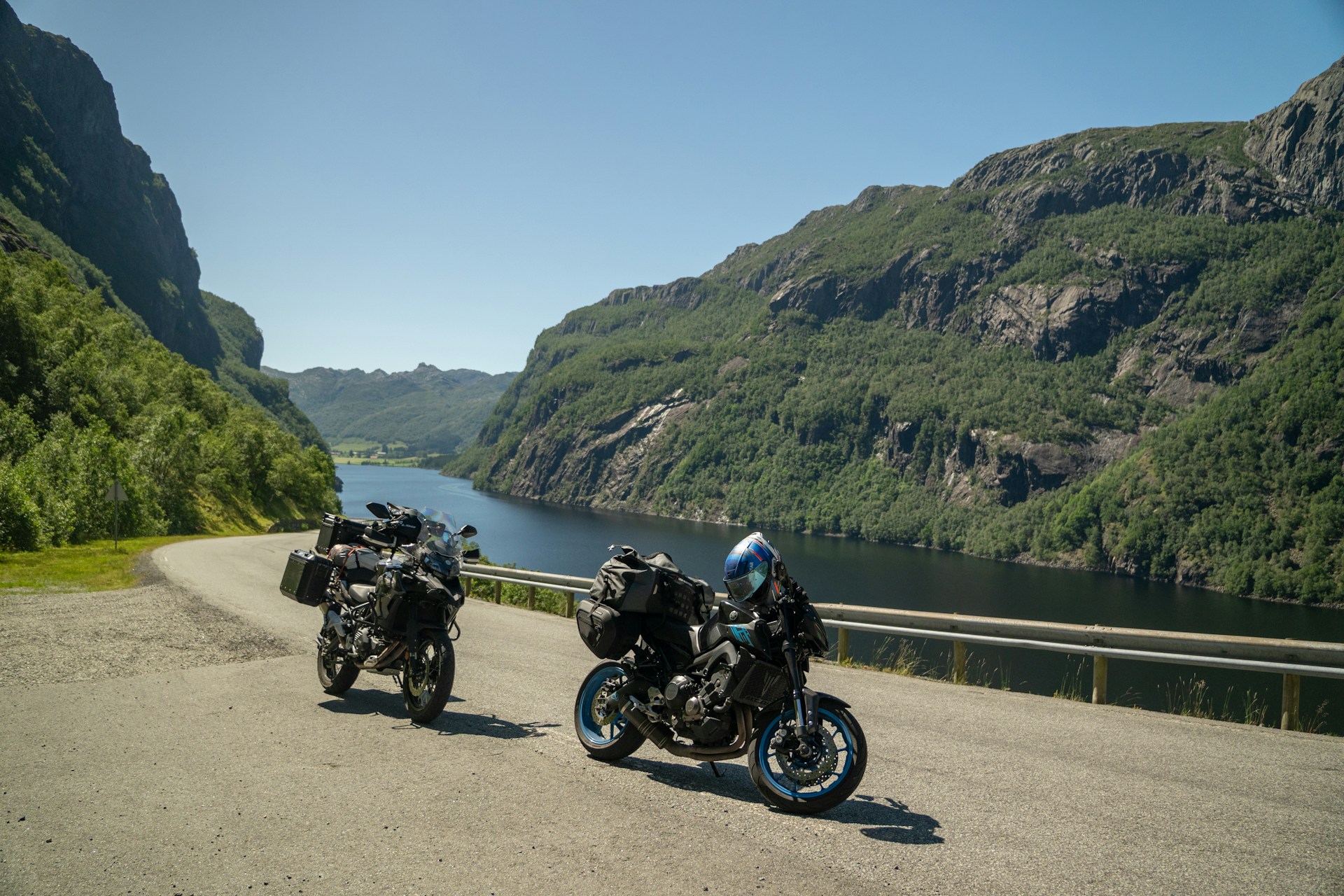
Fortunately, there are solutions for every preference. For long-distance touring and off-road riding, spacious backpacks with capacities of up to 12 liters and integrated hydration reservoirs work well. Riders who prefer a minimalist setup can choose compact waist packs with built-in 1.5-2 liter reservoirs. The budget and mid-range market segments also offer plenty of reliable options.
Today, some touring and adventure jackets with advanced ventilation and weather protection already include dedicated hydration bladder pockets (the hydration system itself is usually selling separately).
For riders who want even easier access to water, more advanced solutions are available. Some premium-level racing helmets feature integrated hydration channels that allow a drinking tube to be routed directly to the rider’s mouth. Similar retrofit kits are also available for motocross helmets.
Ultimately, it doesn’t matter how you drink water. What matters is that you drink it. The body is capable of regulating its temperature, you just need to provide it with the resources to do so.
Cooling Materials and Base Layers
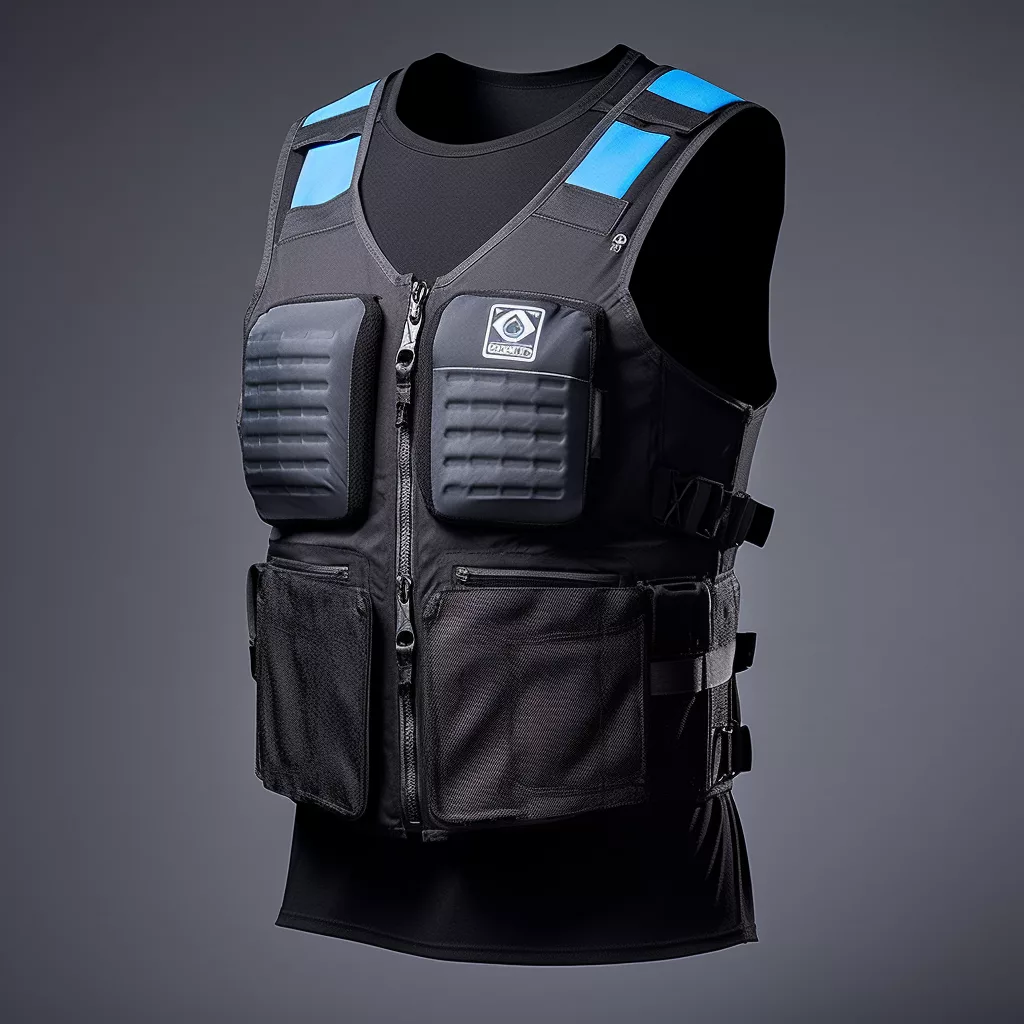
If you want even greater comfort in hot weather, consider gear made from specialized cooling fabrics. Many of these products use absorbent polymers that soak up water and gradually release it through evaporation. Before riding, you simply soak the garment for a few minutes, and as the moisture evaporates during the ride, it creates a noticeable cooling effect.
Manufacturers use these materials in a variety of ways. Cooling vests are widely available, as are specialized cooling base layers such as shirts and pants. Similar fabrics are also used in neck gaiters, bandanas, and even socks.
If your budget is limited, there’s a simple alternative: wet a regular cotton T-shirt. The effect will be similar. I have done this many times, and thanks to the dry climate, usually arrived at the destination completely dry.
Even if you don’t want to soak your clothing, you can significantly improve comfort by wearing moisture-wicking base layers. They work on a similar principle, helping sweat evaporate and providing natural cooling rather than trapping moisture and turning you into a “sauna” beneath your outer gear.
These layers are especially useful on a hot track day, where they also make it easier to remove a one-piece leather suit. But regardless of your riding style, quality synthetic moisture-wicking underwear is one of the simplest and most effective ways to stay comfortable in the heat.
Mesh Textile Gear
When it comes to riding in oppressive summer heat, most riders immediately think of textile gear, especially gear with mesh panels. Whether it’s an all-season jacket or a pair of summer riding pants, mesh allows maximum airflow to reach the body. Moreover, virtually all modern textile riding gear uses abrasion-resistant mesh materials that combine ventilation with protection.
In the past, many riders questioned the durability of mesh, especially compared to leather. But technology has come a long way. Modern gear now uses high-strength industrial mesh with specialized weaving techniques, allowing jackets to achieve high protection ratings, including CE Level AA certification.
Large mesh panels are widely used in sport-touring jackets and pants, as well as in budget-friendly urban riding gear. Footwear and gloves have not been left behind either. Breathable knit riding shoes and short gloves with textile inserts are now common.
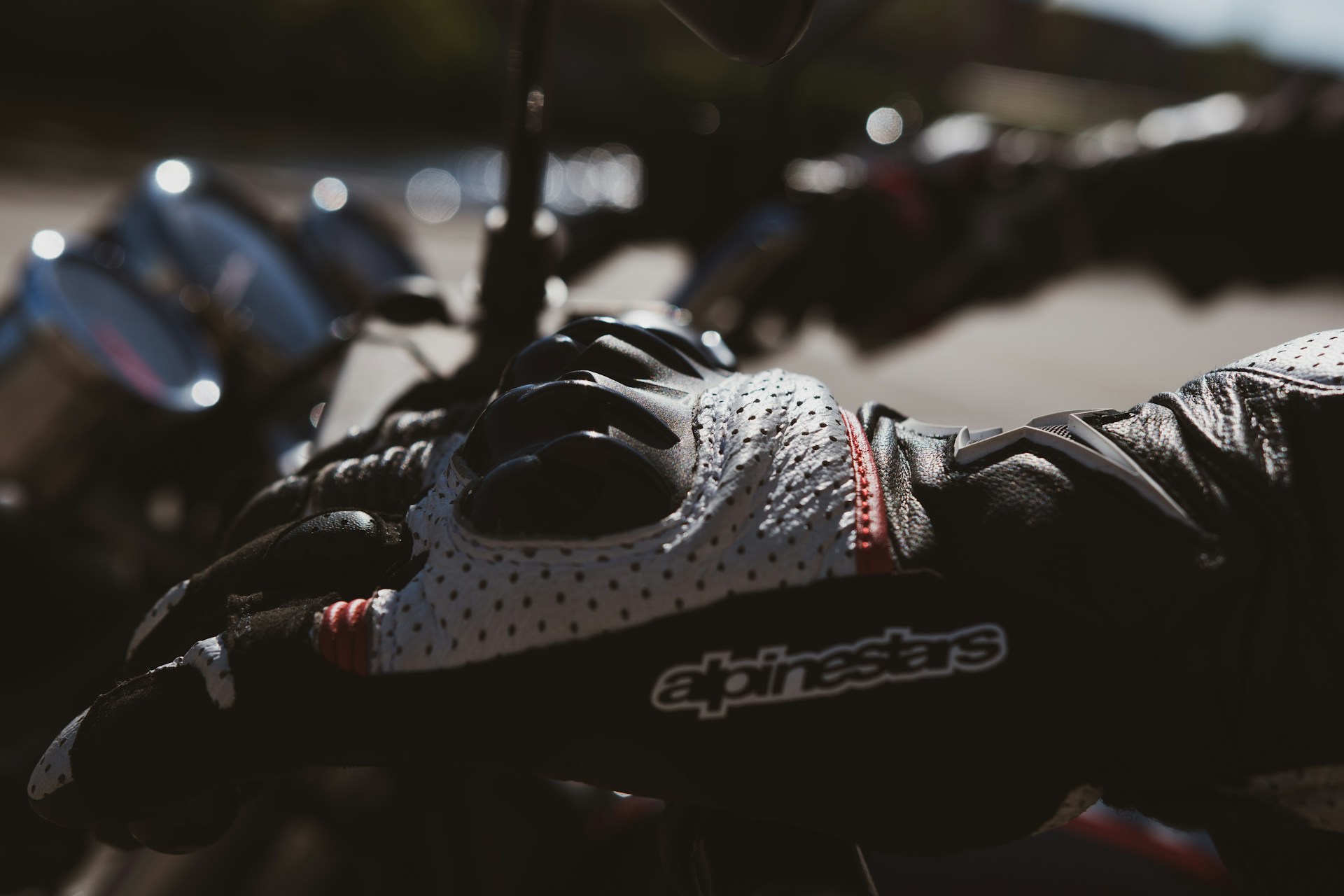
The point is that a rider can effectively gear up in mesh from head to toe and significantly reduce heat buildup. No, it won’t be as cool as riding in a tank top and shorts, but in the event of a crash, the protection is incomparable.
Perforated and Ventilated Gear
Despite the widespread use of synthetic abrasion-resistant materials, leather remains one of the most durable materials in motorcycle gear. That’s why many riders continue to wear leather jackets and suits year-round, even in extreme heat.
Perforated leather offers a sensible compromise between protection and ventilation, whether you ride a cruiser or a sportbike.
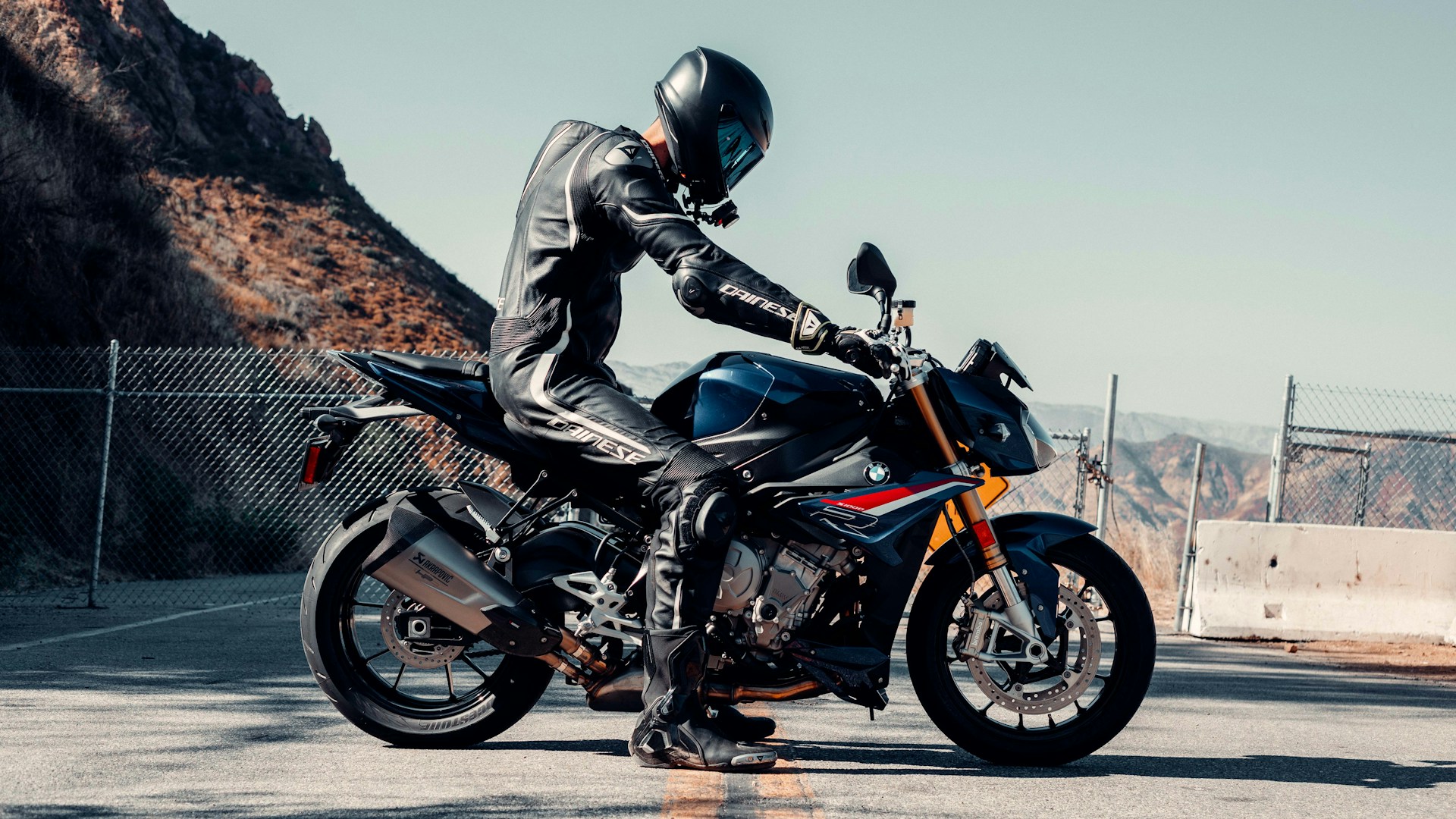
Riders who prefer a more aggressive style can choose leather jackets with perforated chest and back panels, sport boots with large air intakes, and lightweight leather gloves with perforation between the fingers. For track riding, a one-piece leather suit with extensive perforation and provisions for a hydration system is an excellent choice.
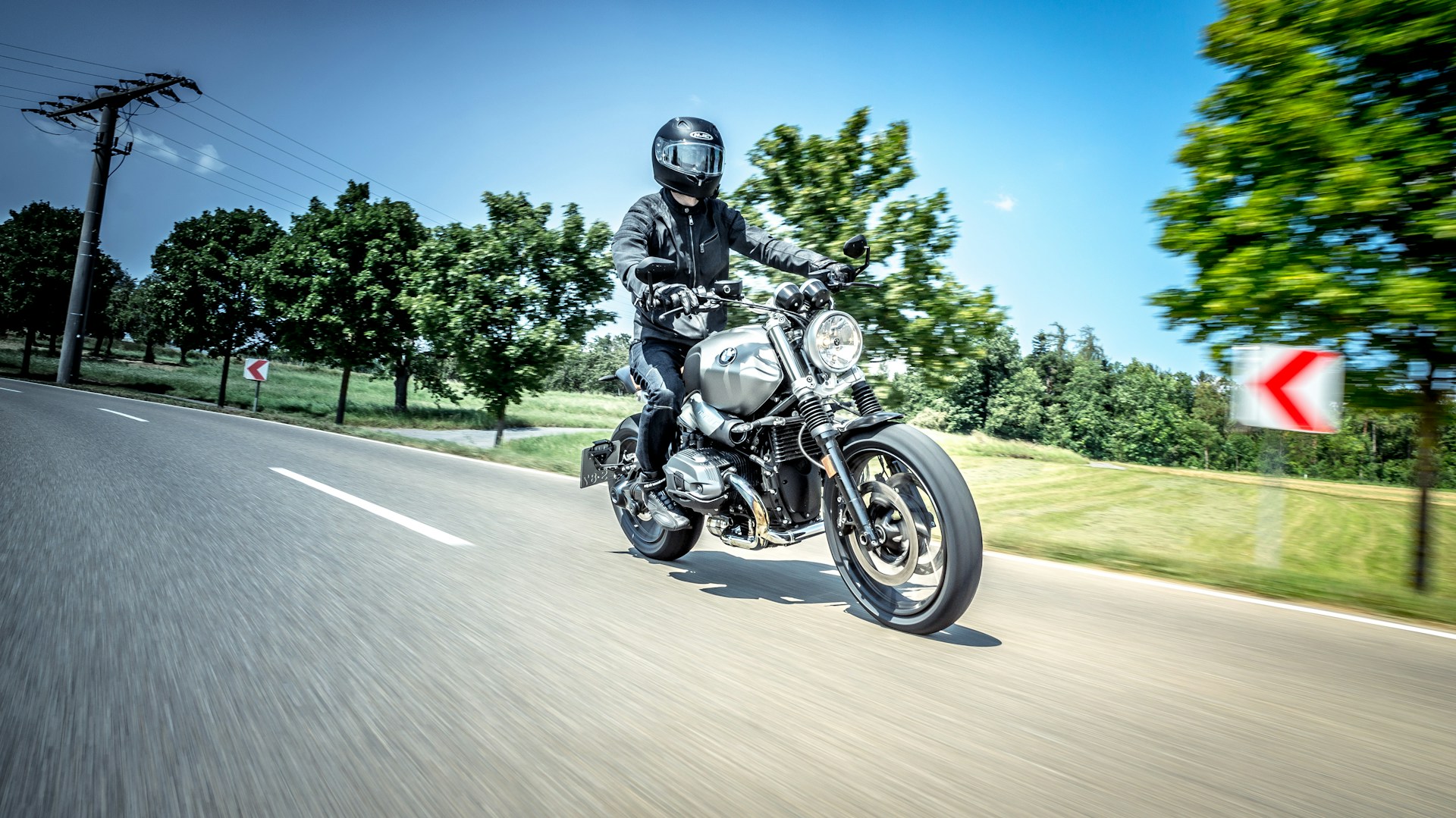
For riders who favor a more classic style, such as cruiser and café racer enthusiasts, vintage-inspired jackets, gloves, and casual-style leather boots often incorporate discreet perforation that combines a stylish appearance with practical ventilation.
Although all of the solutions above were specifically designed for hot-weather riding, there are also some less obvious ways to survive the hottest months of the year.
Additional Tips
Catch More Airflow
Windscreens reduce fatigue by diverting airflow away from the rider, which is especially useful in cooler weather. In summer, however, extra airflow is often beneficial. Installing a shorter windscreen, or removing wind protection altogether, can significantly increase natural cooling. Of course, this advice does not apply to riders whose motorcycles already lack fairings, since they naturally receive maximum airflow.
Electrolyte Supplements
Special dissolvable electrolyte tablets and powders help replace what the body loses through sweat. Sodium and potassium help maintain fluid balance, while calcium and magnesium support normal cellular function. Whether you ride on pavement or off-road, adding electrolytes to your hydration system can noticeably improve endurance and concentration.
Find Some Shade
Sunburn is unpleasant under any circumstances, especially when it mirrors the shape of your helmet visor. Visors with strong UV protection, whether tinted, mirrored, or photochromic, help block harmful radiation and reduce eye strain on long rides. And one more important recommendation: sunscreen. Always apply it to exposed areas such as the back of your neck and your wrists, and remember to reapply it regularly.