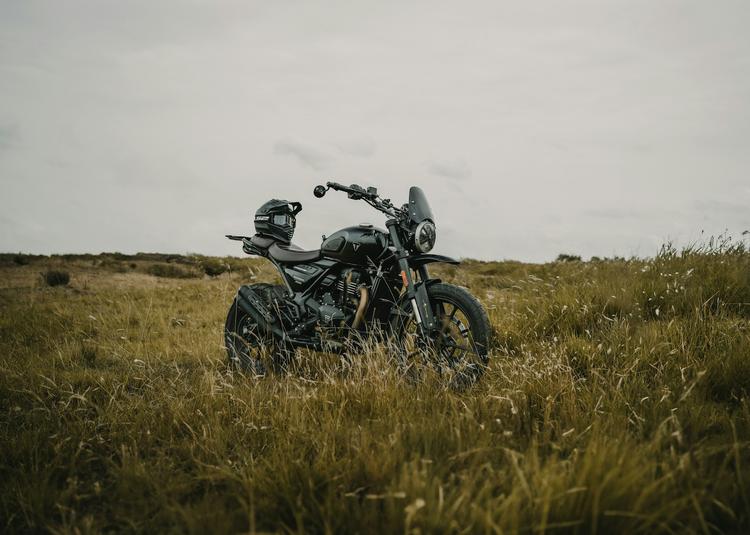
For most of my riding life, I have been a Japanese motorcycle guy. If you had asked me a few years ago what I thought about Triumph motorcycles, my answer would have been polite but dismissive. I respected the brand’s history, appreciated the classic styling, and understood why some riders loved them. But when it came to choosing a motorcycle with my own money, I would always look toward Japan.
Honda, Yamaha, Kawasaki, and Suzuki had earned my trust. Their motorcycles were reliable, practical, reasonably priced, and backed by decades of engineering excellence. Whenever discussions arose at biker gatherings about the best motorcycles for real-world riding, I would inevitably point toward Japanese manufacturers.
Triumph, on the other hand, seemed to occupy a different space. To me, it looked like a company selling heritage, nostalgia, and image. I often wondered whether riders were buying a motorcycle or simply buying into a story about British motorcycling history.
As a skeptic, I decided to look deeper. What I discovered surprised me.
The Weight of Tradition
Triumph is one of the most recognizable names in motorcycling. Founded in Britain and carrying a legacy that stretches back more than a century, the brand has survived wars, economic crises, ownership changes, and even complete collapse before being revived into the modern company we know today.
The motorcycles have always carried a distinctive identity. Even people who know little about motorcycles can often recognize a Triumph Bonneville. The silhouette, the proportions, and the classic styling have become iconic.
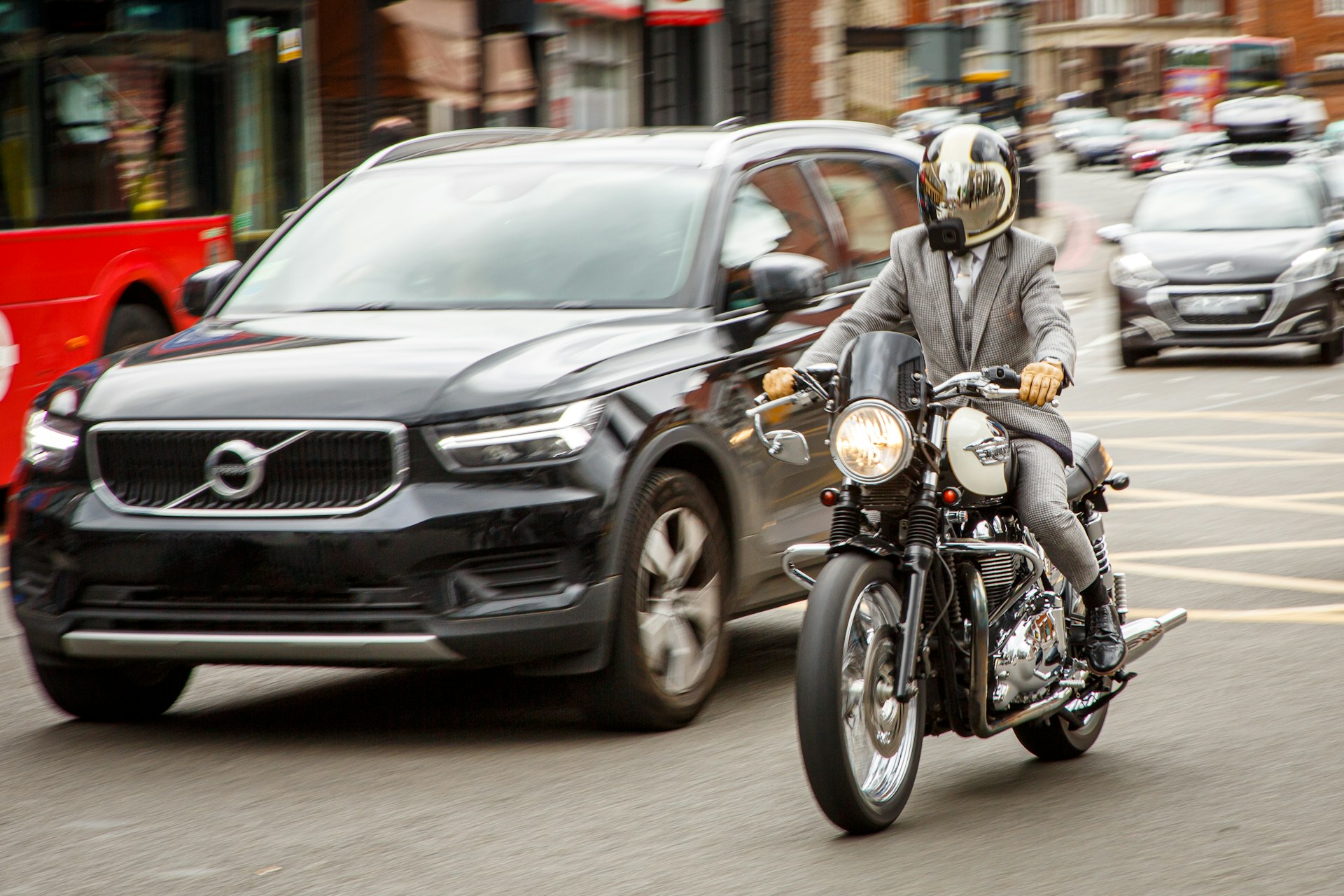
For years, however, I considered this a weakness rather than a strength. I believed motorcycle manufacturers should focus on innovation first and heritage second. Japanese brands excelled at introducing new technologies, refining performance, and creating machines that worked flawlessly day after day.
When I looked at Triumph’s retro-inspired lineup, I assumed the company was relying heavily on nostalgia. But assumptions can be dangerous.
First Impressions Can Be Misleading
The first thing that challenged my prejudice was examining Triumph’s modern engineering. Underneath the classic appearance of many Triumph motorcycles lies thoroughly modern technology. Ride-by-wire throttles, traction control systems, multiple riding modes, advanced ABS systems, sophisticated electronics, and efficient liquid-cooled engines are common throughout the lineup.
In other words, the motorcycles are not relics pretending to be modern. They are modern motorcycles designed to preserve a traditional appearance. That distinction matters.
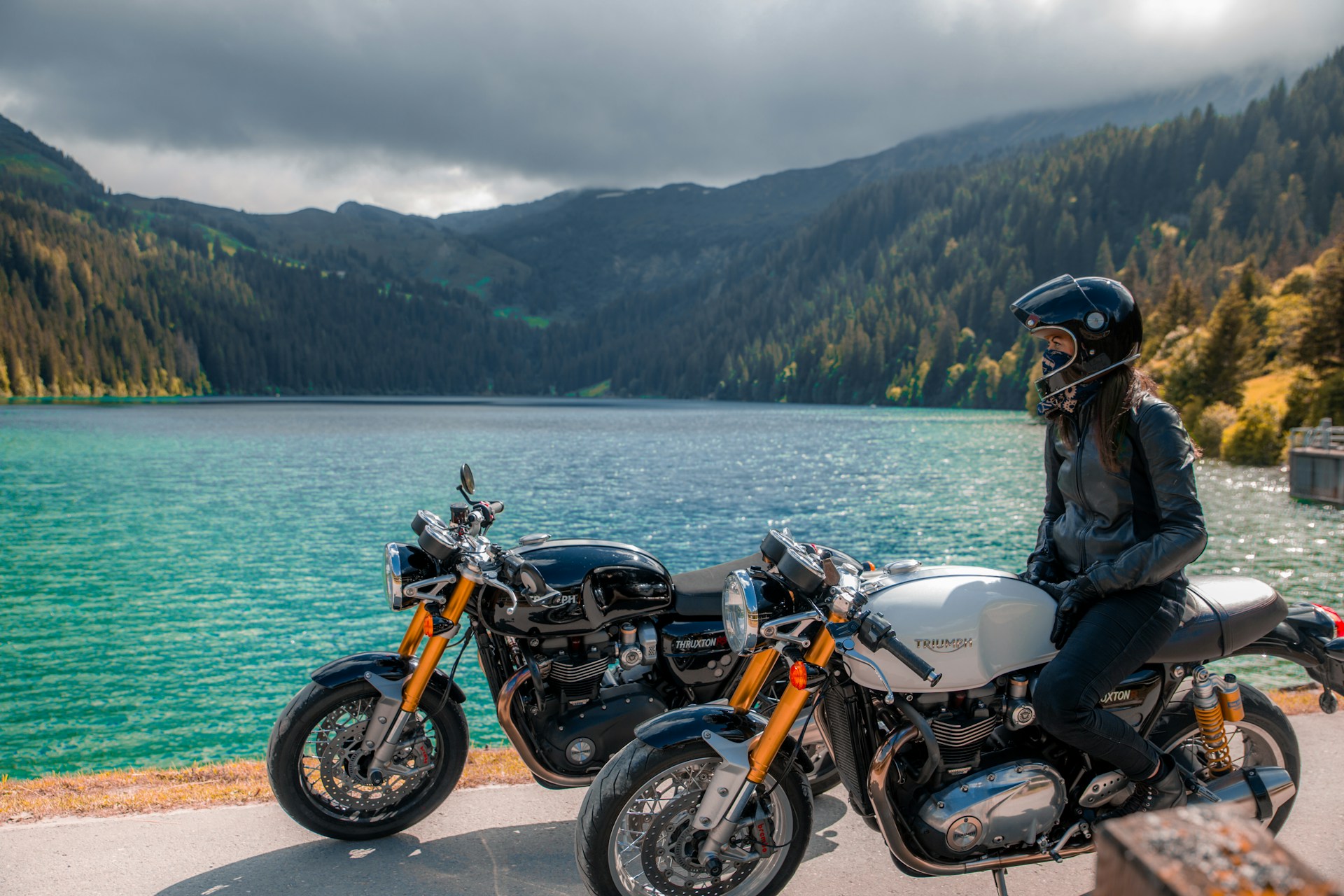
The more I researched, the more I realized Triumph was not attempting to compete directly with Japanese manufacturers on every front. Instead, the company was trying to create motorcycles with strong personalities while maintaining modern standards of reliability and performance. As someone who had always prioritized function over character, I initially remained unconvinced. Then I started talking to owners.
What Owners Kept Telling Me
One of the most interesting aspects of motorcycle culture is how passionate riders become about their machines. Japanese motorcycle owners often praise reliability. BMW riders frequently discuss technology. Ducati riders talk about emotion and performance.
Triumph owners, however, repeatedly mentioned something else. Character. At first, I rolled my eyes. Character seemed like a vague marketing word used when objective advantages were difficult to identify.
Yet owner after owner described a unique riding experience. They talked about the sound of the engine, the delivery of torque, the feel of the chassis, and the way the motorcycles encouraged them to take the long route home.
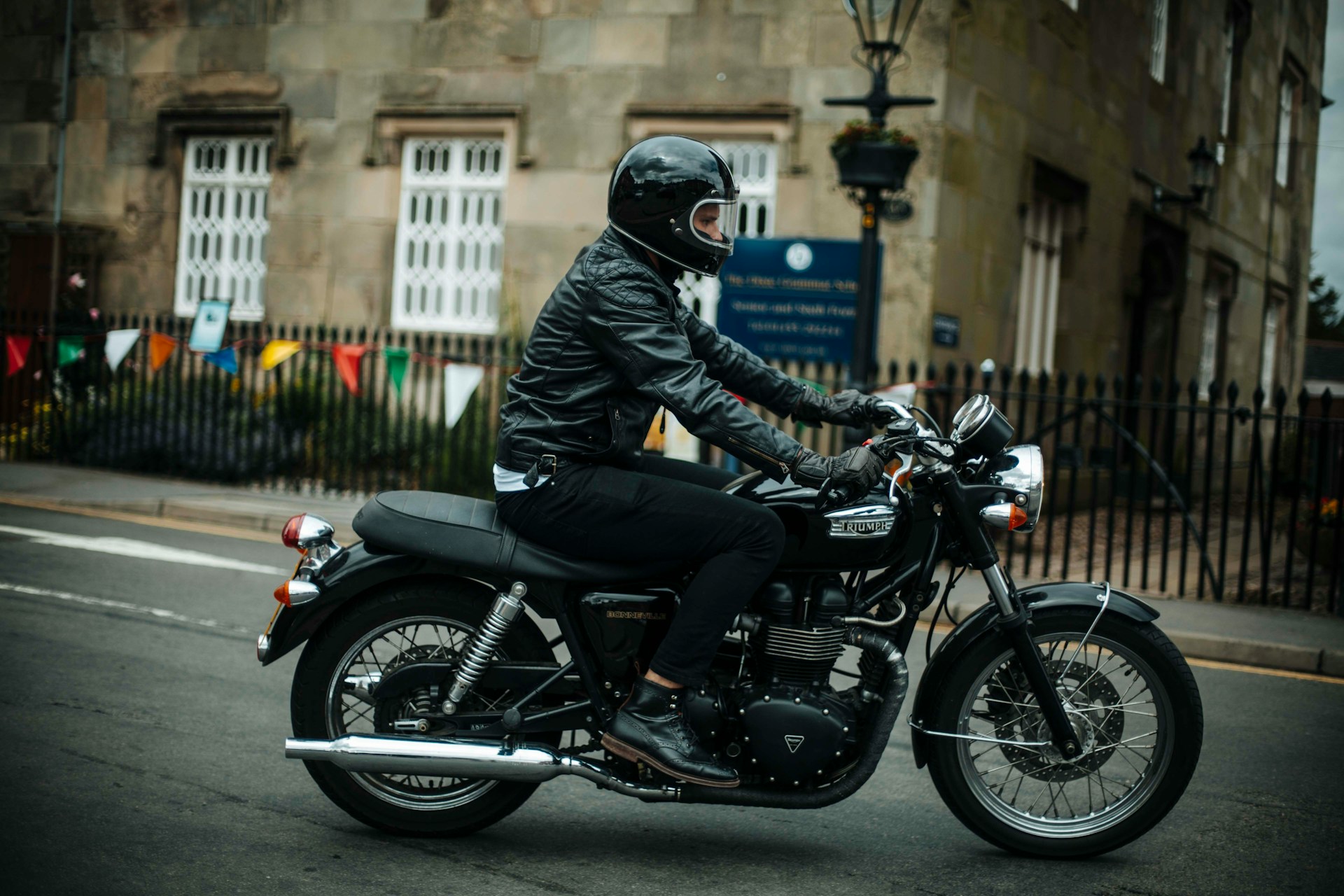
These weren’t professional reviewers repeating press-release language. They were ordinary riders who genuinely enjoyed spending time on their motorcycles. That got my attention. After all, motorcycles are not appliances. We ride them because they make us feel something. Perhaps there was more to character than I had previously admitted.
The Engine That Changed My Perspective
The biggest turning point in my opinion came when I began studying Triumph’s triple-cylinder engines. For years, I had been a fan of Japanese inline-four engines. Their smoothness, reliability, and high-revving nature are difficult to criticize. But Triumph’s three-cylinder engines occupy a fascinating middle ground.
They deliver much of the smoothness associated with four-cylinder engines while maintaining the strong low-end and midrange torque often associated with twins. On paper, that may sound like a compromise. In practice, many riders describe it as the best of both worlds.
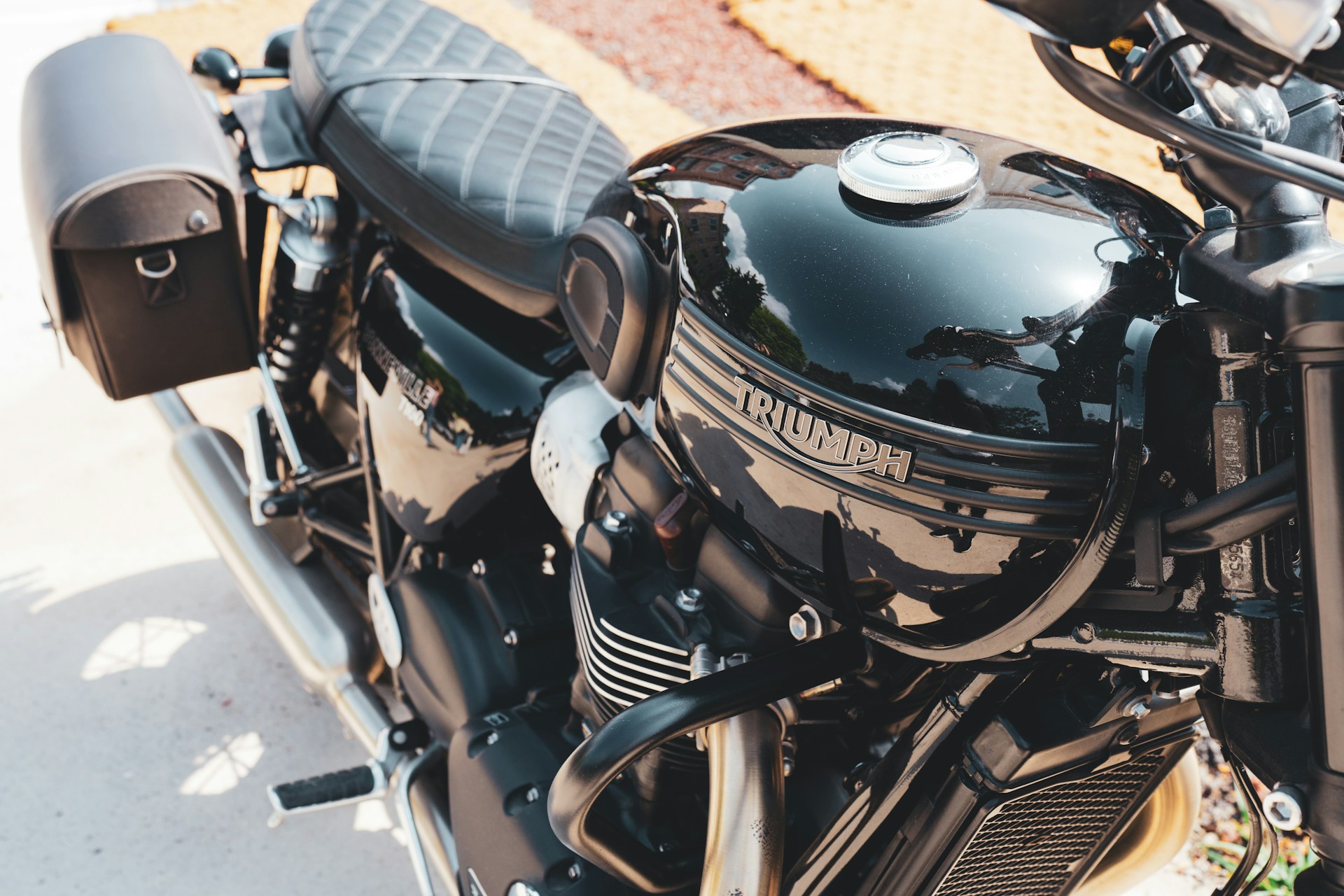
The more I learned about models such as the Street Triple and Speed Triple, the more intrigued I became. These motorcycles had earned praise not merely because they looked attractive but because they performed exceptionally well. Professional reviewers consistently highlighted their balanced handling, responsive engines, and engaging riding dynamics. At this stage, my skepticism began to weaken.
Looking Beyond the Bonneville
Like many riders, I had made the mistake of associating Triumph primarily with retro motorcycles. The Bonneville family receives tremendous attention, and understandably so. The design is timeless. However, Triumph’s portfolio extends far beyond retro-inspired machines. The company produces adventure motorcycles, sport-oriented naked bikes, touring motorcycles, scramblers, and even competition-focused models.
The Tiger range, for example, has become a serious contender in the adventure motorcycle segment. Riders who travel thousands of kilometers across varying terrain increasingly place Triumph alongside manufacturers traditionally dominant in that category. The Street Triple has earned a reputation as one of the finest middleweight naked motorcycles available. The Speed Triple has become a benchmark for powerful naked sport bikes. The Rocket 3 remains one of the most outrageous production motorcycles ever created, featuring an engine that seems almost absurd until you experience it.
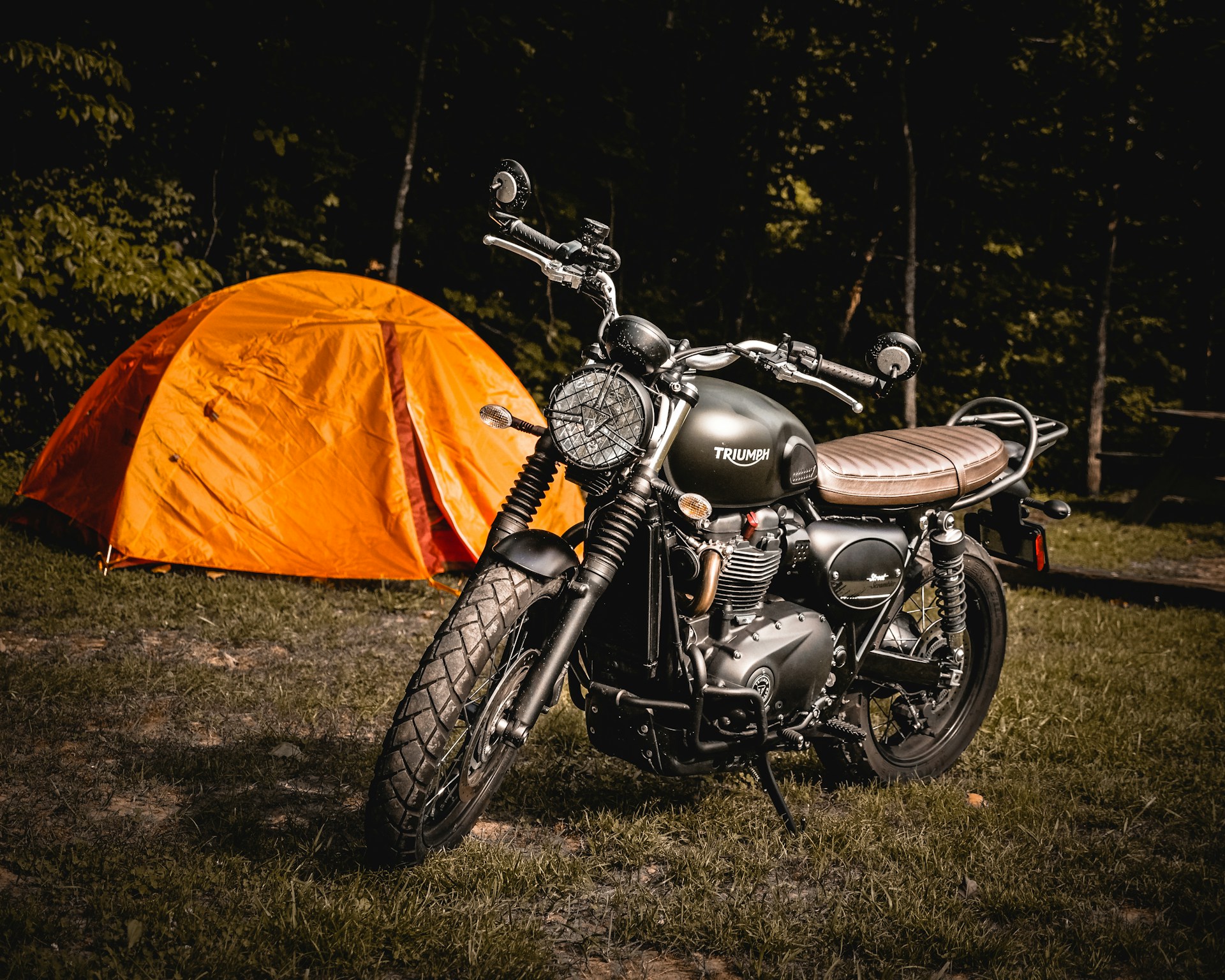
This diversity demonstrated that Triumph was not simply selling nostalgia. It was actively competing in modern motorcycle markets.
Reliability: The Question Every Skeptic Asks
If there is one area where Japanese manufacturers have built an almost legendary reputation, it is reliability. This was the hurdle Triumph still had to clear in my mind. Historically, British motorcycles have often faced criticism regarding reliability. Fair or unfair, those stories linger for decades. Modern Triumph, however, is not the same company that existed generations ago.
Current production methods, quality control standards, and engineering practices differ dramatically from those associated with the stereotypes many riders still remember. As I researched owner experiences, warranty data, long-term reviews, and maintenance reports, I found something interesting.
Modern Triumph motorcycles generally perform far better than many skeptics assume. Are they absolutely perfect? No manufacturer is. Even Japanese brands occasionally experience recalls, mechanical issues, and quality concerns. But the evidence increasingly suggested that modern Triumph reliability was no longer a legitimate reason to dismiss the brand outright. That realization forced me to reconsider one of my strongest objections.
Style Matters More Than I Wanted to Admit
Motorcyclists often claim style does not matter. Most of us are lying. Of course performance matters. Of course reliability matters. Of course value matters. But motorcycles are emotional purchases. Few riders walk into a dealership carrying a spreadsheet of specifications and purchase solely based on numerical superiority.
We buy motorcycles because they inspire us. We buy motorcycles because they make us turn around and look back after parking them. We buy motorcycles because they connect with something deeper than transportation. This is an area where Triumph excels.
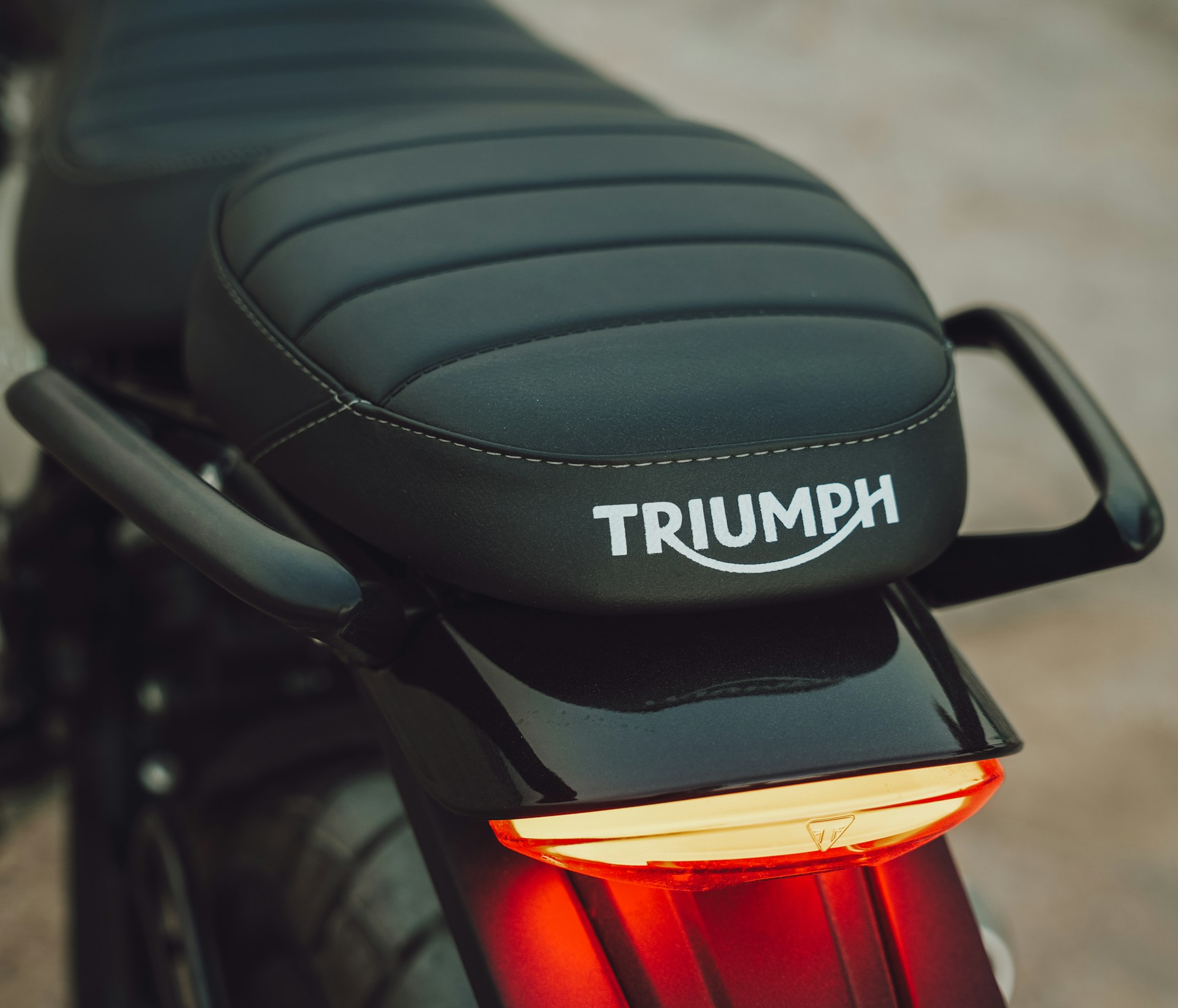
Whether it’s a Bonneville parked outside a café, a Scrambler covered in dust after a weekend adventure, or a Street Triple waiting at a traffic light, Triumph motorcycles possess a distinctive visual identity. They feel purposeful. They feel special. As someone who had long prioritized rational decision-making, I reluctantly admitted that this mattered.
The Test Ride
Research can only take you so far. Eventually, every motorcycle deserves the same evaluation. Ride it. No article, review, video, forum discussion, or specification sheet can fully replace a test ride. When I finally had the opportunity to spend time on a Triumph, I approached the experience with cautious expectations. I expected competence. I expected quality. I expected a pleasant motorcycle. I did not expect to be surprised.
Yet surprise is exactly what happened. The controls felt natural. The engine response was immediate without being intimidating. The chassis inspired confidence. The motorcycle seemed eager to participate in every corner, every acceleration, and every change of direction. Most importantly, it made me smile.
That may sound simplistic, but motorcycles ultimately succeed or fail based on the emotions they create. For years I had evaluated Triumph primarily through statistics, assumptions, and old stereotypes. A single ride challenged all of them.
Why I Am No Longer a Skeptic
I remain a fan of Japanese motorcycles. That has not changed. Honda continues to build exceptional motorcycles. Yamaha remains innovative and exciting. Kawasaki consistently delivers strong value and performance. Suzuki still offers machines with proven capabilities. Nothing in my experience with Triumph diminishes my respect for Japanese manufacturers.
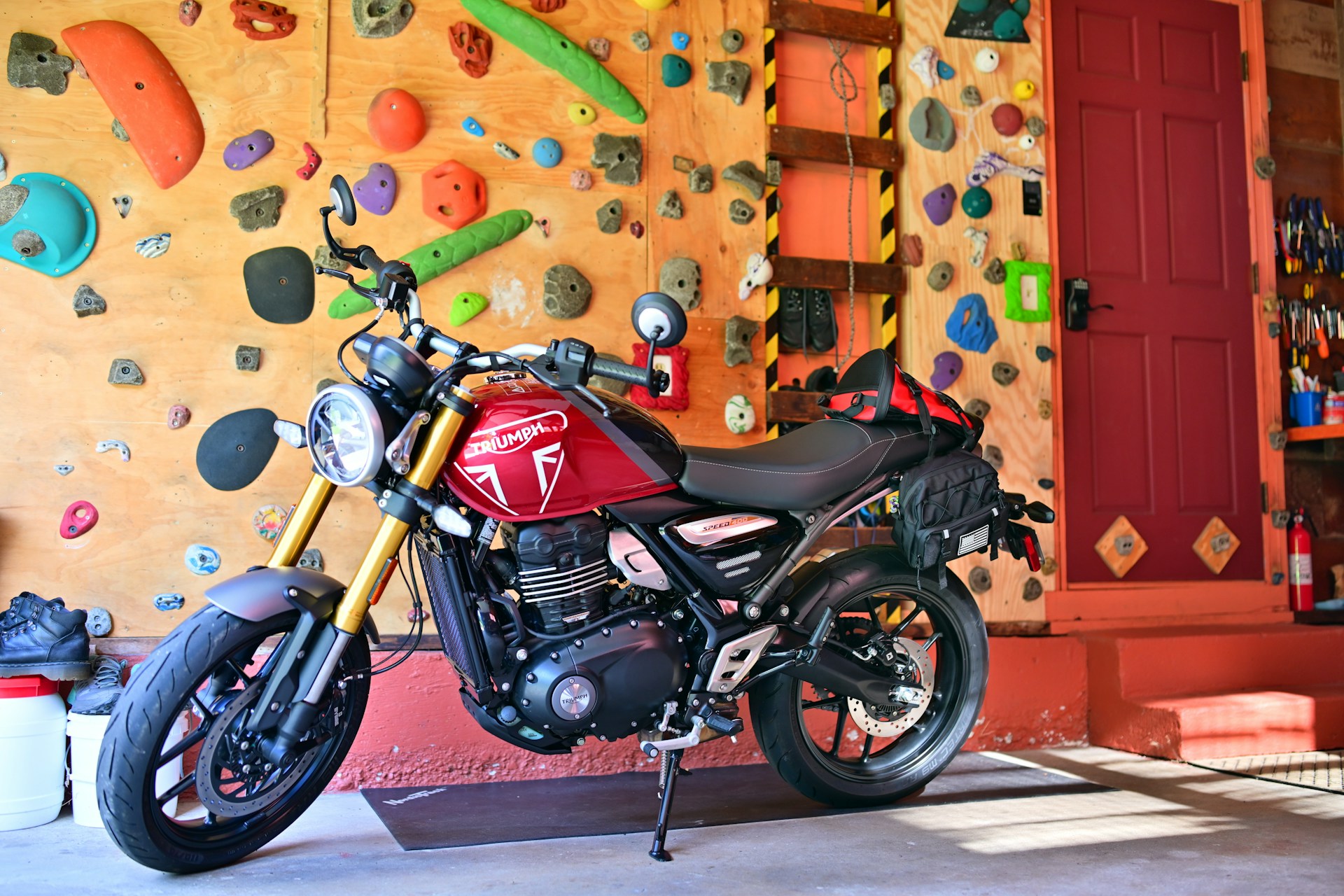
What changed is my belief that Triumph was somehow less worthy of consideration. Today, I see Triumph differently. I see a company that successfully blends heritage with modern engineering. I see motorcycles with distinctive personalities backed by serious performance. I see machines that appeal not only to the heart but also to the head. Most importantly, I see a brand that deserves to be judged on what it is today rather than what people assume it was decades ago.
Final Thoughts
If you are a rider like me, someone who has spent years loyal to Japanese motorcycles and skeptical of British alternatives, I understand your hesitation. I shared it. I questioned the reliability. I questioned the value. I questioned whether the appeal was mostly marketing and nostalgia. But after researching the company, speaking with owners, studying the engineering, and finally experiencing a Triumph firsthand, my perspective changed.
No motorcycle manufacturer is perfect. Every brand has strengths and weaknesses. Yet Triumph has earned something I never expected to give it. A genuine chance.
I am still a Japanese motorcycle enthusiast. However, for the first time in many years, when I think about my next motorcycle, a Triumph is no longer outside the conversation. In fact, it may very well be the motorcycle I choose to ride next.